Massive winter storm threatens widespread outages and travel chaos across large swathes of the U.S.
A dayslong winter storm will bring heavy snow, freezing rain and bitter cold to roughly half the U.S. population, prompting flight disruptions, school closures and emergency preparations.
Copy link
By Torontoer Staff
A large, dayslong winter storm is expected to deliver heavy snow, freezing rain and sleet from the Southern Rockies through New England, threatening extensive power outages and dangerously low temperatures for roughly half of the United States. The National Weather Service says the system could affect more than 170 million people and bring conditions that may rival the impact of a hurricane in some areas.
Air travel and ground transportation were already affected, with more than 800 flights delayed or cancelled across the country. Officials and utilities have mobilized crews and declared states of emergency as forecasts called for significant ice accumulations, as much as 30 centimetres of snow in parts of the East Coast, and a secondary blast of Arctic air next week.
Storm scope and timeline
Meteorologists expect a combination of heavy snow, freezing rain and sleet from Friday through Monday, with the worst conditions shifting eastward over the weekend. After the precipitation ends, a surge of extremely cold air will move in, producing wind chills as low as minus 46 Celsius in parts of the Upper Midwest and potentially plunging to near minus 50 Celsius in some areas of Canada.
AccuWeather forecasters warned that the storm could leave a widespread ice load on trees and power lines, increasing the risk of outages that could last days in hard-hit communities.
Transportation and travel impacts
Major airports, including hubs in Dallas, Atlanta and Oklahoma City, reported delays and cancellations. Flight tracking service FlightAware logged more than 800 disrupted flights as airlines adjusted schedules and sought to avoid the worst conditions.
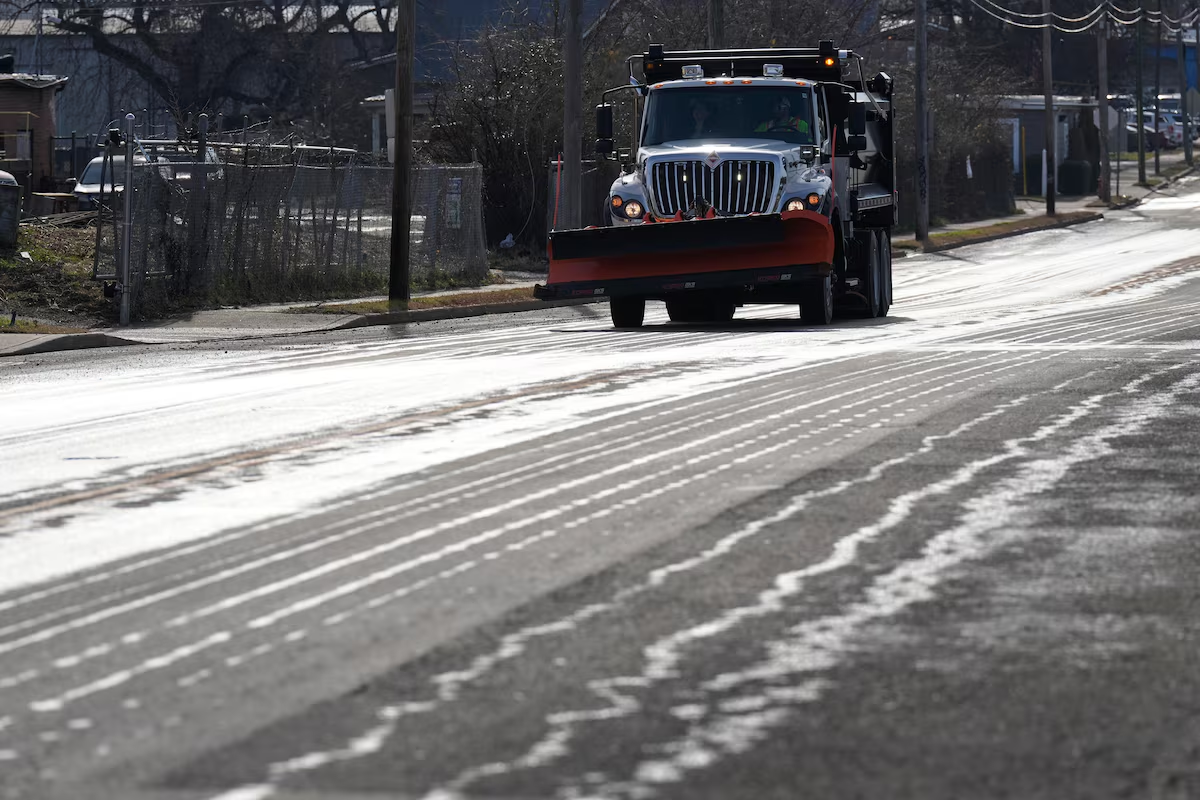
State and local road crews pre-treated highways with salt brine and deployed extra personnel. Law enforcement agencies cancelled days off for troopers to ensure staffing for rescue and station coverage, and some jurisdictions asked residents to avoid non-essential travel once the storm arrives.
Travel is going to become more and more treacherous starting late Friday afternoon and lasting through the rest of the weekend.
National Weather Service, Norman, Oklahoma
Power risks and emergency responses
Officials warned that heavy ice can add hundreds of pounds to tree limbs and power lines, increasing the chance of breakage and prolonged outages. Utilities in the Houston area and elsewhere staged thousands of workers and pre-positioned crews to respond quickly to outages.
It’s all hands on deck. We’re hoping for the best, but prepared for the worst.
Houston Mayor John Whitmire
Some governors declared states of emergency to free up resources. Public school boards in several large districts cancelled in-person classes in anticipation of hazardous travel and cold conditions that could make school access dangerous for students and staff.
Local shortages and consumer behaviour
Retailers in affected states reported sharp increases in demand for generators, ice melt, bottled water and staple groceries. Small equipment dealers said they sold out of many generator models within a day and arranged emergency shipments to meet demand.
I’d say 95 per cent of the calls were generator-related or either service or ‘Do you have any generators in stock.’
Bryan Hill, manager, Jomo’s Power Equipment, Parts & Service Inc., Huntsville, Alabama
Shoppers in some areas encountered bare shelves for items such as milk, bread and eggs. Officials urged people not to panic buy but to prepare sensibly for the possibility of several days without reliable power or safe travel.
How to prepare
- Have a multi-day supply of water, non-perishable food and required medications.
- Charge devices and keep portable chargers on hand.
- Ensure you have warm clothing and blankets accessible if heating fails.
- Avoid unnecessary travel once conditions deteriorate and follow local advisories.
- If you rely on medical equipment that requires power, contact your health provider and utility company for backup options.
Residents in regions prone to severe ice should consider safe generator use and keep combustibles away from appliances. If you must drive in winter conditions, let someone know your route and expected arrival time, and carry an emergency kit including a flashlight, shovel and extra warm layers.
What officials say and next steps
Forecasters noted that storm tracks and intensity can change, and local impacts will vary. Emergency managers advised communities to stay updated through official channels and to assume service disruptions may last longer than a day in some areas.
As the storm progresses, utilities and municipal crews will focus on restoring critical services, clearing major routes and responding to weather-related emergencies. Residents should monitor local government and weather service updates for the latest advisories and sheltering instructions.
The coming days will test infrastructure and preparedness from the Southern Plains to the Northeast. Taking practical steps now can reduce risk to households and help emergency services focus on the most vulnerable residents.
winter stormweatherpower outagestravel disruptionsemergency preparedness