Oakville community shelters about 90 travellers after Trans-Canada crashes
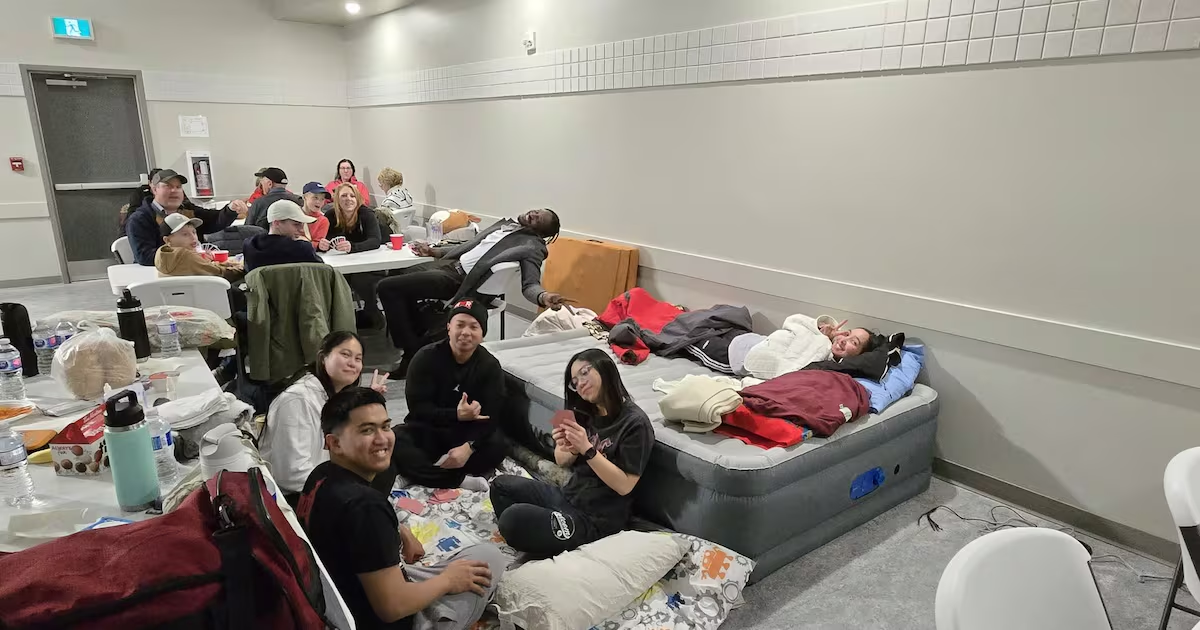
Oakville residents opened the community centre to roughly 90 travellers stranded after winter crashes closed the Trans-Canada Highway on Jan. 17, 2026. Volunteers and donations supplied food, bedding and temporary lodging.
Copy link
By Torontoer Staff
On Jan. 17, 2026, winter crashes shut the Trans-Canada Highway between Headingley and Portage la Prairie, leaving nearly 100 travellers stranded. The Oakville Community Centre opened its doors, and local residents mobilized within hours to provide shelter, food and bedding.
The closures followed two separate multi-vehicle collisions on the eastbound and westbound lanes that began around 11:20 a.m. Emergency crews and weather conditions forced a shutdown of the corridor and prompted the RCMP to escort some drivers into Oakville.
Rapid response at the community centre
About an hour after the crashes, Oakville Community Centre staff contacted members of the centre’s fundraising committee to ask for help opening the main hall and kitchen. Karen and Devon Olafson arrived and began setting up coffee, tables and chairs while the daycare section admitted the first arrivals.
They just wanted to go in and the daycare was operating but they didn’t have access to the main hall and kitchen. They wanted someone to go in and just open things up, put coffee on, put a couple of tables and chairs out for people to wait the storm out.
Devon Olafson
Volunteers arranged seating and started a warm area for people to regroup while emergency services assessed the situation. Local RCMP officers coordinated escorts for vehicles stuck between Headingley and Oakville, directing those drivers into town for help.
Donations and offers of shelter poured in
Karen Olafson used social media to request snacks, bedding and toiletries. Within two hours the community had donated far more than was needed, and offers to host travellers in private homes followed.
- Two truckloads of bedding and baking goods from Sunnyside Colony
- Multiple deliveries of snacks, pantry items and toiletries
- Six local families who took stranded travellers into their homes for the night
By about 6 p.m., the hall was overflowing with supplies and volunteers. About 90 people stayed at the centre over the afternoon and overnight while roughly seven volunteers remained on site to assist them.
My phone lit up, social media lit up. The hall was filled with people dropping stuff off. It was truly amazing.
Karen Olafson, Oakville Community Centre fundraising committee
Practical care and community spirit
Volunteers organised blankets and bedding, laid out tables for meals and kept a supply of hot drinks. Several travellers offered cash donations to the community centre before they left, asking how they could contribute to the town that had sheltered them.
Organisers said most people were in good spirits despite the unexpected disruption. The centre coordinated with local services and relied on short-term volunteer shifts so residents could return to work or family responsibilities while coverage continued.
What organisers want people to know
Organisers advised that community centres and local emergency plans are critical when winter conditions force road closures. When people responded to the social-media call for supplies, the centre quickly had more than enough, and volunteers redirected offers to neighbours in need.
Karen said the experience reinforced how the town comes together in a crisis. "It’s Oakville. It’s a small rural Manitoba town where people come together when they’re needed. It was simply amazing. A really good feeling to be part of this community."
The incidents along the Trans-Canada Highway and the resulting community response underscore how quickly local networks can provide practical help during winter emergencies. Oakville’s actions offered stranded travellers warmth, shelter and a short-term sense of normalcy until roads reopened.
OakvillecommunityTrans-Canada Highwaywinter stormManitoba