One woman’s year-long push to get a raised sidewalk fixed in Yorkville
A Toronto resident tracked reports, 311 case numbers and city replies after uneven pavers near Yorkville Village caused a fall and remained unrepaired through winter.
Copy link
By Torontoer Staff
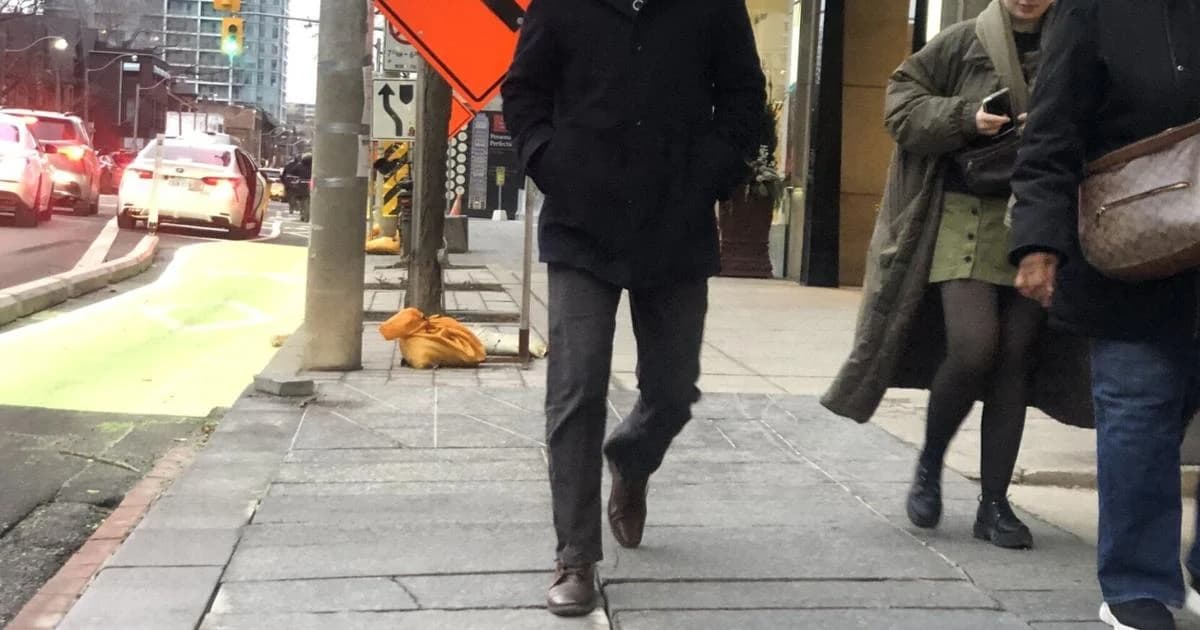
A section of sidewalk near Yorkville Village that became uneven last year remained a safety concern through winter, despite repeated calls from a resident and a series of case numbers from 311. The raised pavers threaten walkers and can catch on sidewalk-plow blades, which risks worsening the damage and hiding trip hazards under fresh snow.
Marcia Zalev began reporting the problem after seeing an elderly woman using a walker fall on loose stones in September. She spent months trying to get the site repaired, contacting the building manager, the property maintenance company, 311 and the office of the Chief Magistrate, and recording multiple case numbers as responses from the city and contractors said the issue had been fixed.
What happened at Avenue Road and Yorkville Village
The uneven paving stones are on the east side of Avenue Road, just north of Bloor Street, at the entry and exit to the parking garage for Yorkville Village. Zalev reports hearing a thunk-thunk sound when cars drove over the section, an indication that several pavers were loose. In September, an older woman using a walker fell there, and Zalev helped her up before starting to report the condition to whoever was responsible for repairs.
Timeline of reports and city responses
Zalev first spoke to building staff to find the property manager, then contacted the management company. After being told they would address the stones, she saw no work and called 311. She received a case number, then called again on November 18 after finding no repair, and was told the site had been fixed. She insisted the problem remained and got a new case number. On November 26 she called a third time, was again told the pavers had been repaired, and was given a further case number and a notice her report would be escalated. Further attempts to reach the office of the Chief Magistrate went unanswered, reportedly because a voicemail box was full.
Toronto now seems to be the city that doesn’t work,
Marcia Zalev
Zalev warned that snow can make the problem invisible, increasing the likelihood of someone falling. That concern is compounded by how sidewalk plows operate. Plow operators say existing snowbanks from an earlier heavy dump left little room for new snow, so blades often rearrange snow rather than clear all of it. Raised edges and loose pavers can catch plow blades, and snow can conceal trip hazards until it melts.
What the city told us
When asked about the site, the city said a crew visited in early October and used a grinder to smooth elevations. It reported that pavers were reset on Monday, November 24, and were checked on Wednesday, January 21, at which point they were found to be secured in place. The city added it will continue to monitor the condition and that it appreciates the reports.
That response contradicts what Zalev and an author who visited the site observed before the January storm, when loose stones and the sound of shifting pavers were still evident. The discrepancy highlights a common frustration: official records can show a case closed while neighbourhood conditions remain unresolved.
Why this matters for pedestrians and accessibility
Loose or uneven pavers are more than a cosmetic issue. They create fall risks for older adults, people with mobility aids and anyone whose footing is already less secure in winter conditions. When snow hides defects, falls are more likely and injuries more severe. If municipal repair processes do not align with what residents see on the ground, delays can translate into preventable incidents and potential liability for the city or property owner.
How to report and document a problem in your neighbourhood
- Call 311, record the case number and note the time and name of the operator if provided.
- Take clear photos or video showing the damage and any nearby landmarks or addresses.
- Contact the building manager or property owner directly if the issue is adjacent to a private property, and follow up in writing.
- Escalate persistent problems to your local councillor’s office if 311 responses do not match conditions on site.
- Keep a record of all communications in case a formal complaint or claim becomes necessary.
Documentation helps establish a timeline and shows whether reported fixes were actually carried out. Municipal responses can be inconsistent, so evidence from the scene strengthens a resident’s case when repairs are delayed.
Looking ahead
Zalev’s case underscores how minor infrastructure problems can persist through winter and become safety issues. The city says it will continue to monitor the pavers at Avenue Road and Yorkville Village. Residents who see hazards should keep reporting and documenting them, and follow up when official updates do not match conditions on the ground.
A final note: municipal reporting systems depend on clear information from the public and consistent follow-up from crews. If neighbourhood repairs matter to you, track case numbers, gather evidence and make your local councillor aware when problems are not resolved.
sidewalksToronto311accessibilityYorkville