Ontario briefly becomes the coldest place on Earth Friday, here’s how to prepare
A deep Arctic airmass will settle over Ontario Friday, producing mid-level temperatures near -50 C and making the province the coldest place on Earth for a short period. Practical tips to stay safe.
Copy link
By Torontoer Staff
A rare and extremely cold airmass will settle over Ontario on Friday, producing mid-level temperatures near -50 C around 5,000 metres above ground. Weather analysts say that will briefly make Ontario the coldest place on the planet.
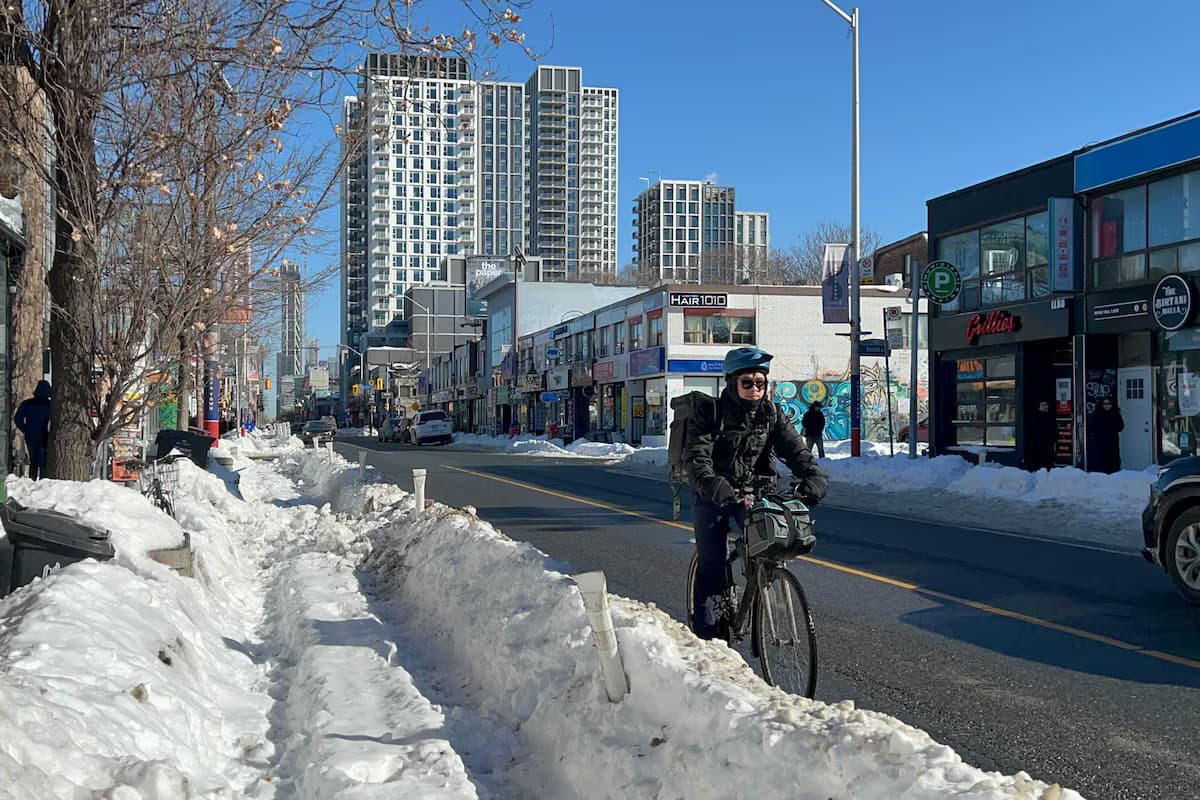
Southern Ontario has already seen heavy snowfall this week, with nearly 40 centimetres reported in some areas, and Toronto surface temperatures falling toward -29 C. The incoming mid- and upper-level cold will intensify wind chill and keep daytime highs unusually low for late January.
Why it will be so cold
The cold pulse is associated with a strong polar vortex pattern pushing a deep Arctic airmass into central and eastern Canada. Forecasts show temperatures at about 5,000 metres dropping to roughly -50 C on Jan. 23, a value typically seen only with extreme Siberian outbreaks. That mid-level cold will help maintain very cold surface air and enhanced wind chills for much of the province.
Friday: Coldest airmass on Earth will be centered over Ontario with mid-level temperatures of -50°C rarely observed except with most extreme Siberian cold. And we'll be given (almost) the "whole load" Polar Vortex -- until it comes back for Round 2 in another week.
Ryan Maue, meteorologist (Twitter)
What to expect locally
Expect frigid overnight lows, extended periods of subzero daytime temperatures, and harsher wind chills near lakeshores and open areas. Travel could be affected by icy surfaces and reduced visibility where blowing snow persists. The episode is forecast to be brief, but another surge of Arctic air is possible the following week.
How to prepare for the cold
- Dress in layers: base layer to wick moisture, insulating mid layer, and a windproof outer layer. Wear a hat, mitts, and a scarf to protect exposed skin.
- Limit time outdoors during peak cold. Keep children and seniors especially warm and dry.
- Protect pipes by insulating exposed plumbing and keeping a small trickle of water running in faucets if a property is poorly heated.
- Check heating systems and have alternative heating plans in case of power outages. Use space heaters according to manufacturer instructions and keep combustibles away.
- Prepare a winter car kit that includes blankets, warm clothing, a flashlight, a charged phone power bank, non-perishable snacks, and a first-aid kit.
- Look after pets: bring animals indoors, provide insulated shelter, and ensure water supplies do not freeze.
- Check on neighbours, especially older adults and those with mobility challenges, to make sure they can heat their homes and obtain groceries or medication.
Health and safety reminders
Prolonged exposure to extreme cold increases the risk of hypothermia and frostbite. If skin becomes numb or white, move indoors immediately and warm the affected areas slowly. Avoid heavy alcohol consumption before going out in the cold, as it can impair the body’s ability to regulate temperature.
For drivers, allow extra time for trips, keep fuel tanks topped up, and watch for black ice on bridges and overpasses. Follow local travel advisories and transit updates, as services may run on modified schedules during severe conditions.
Why this matters beyond discomfort
Extreme cold strains infrastructure and social services. Power and heating systems face higher demand, and emergency services often see increased call volumes for weather-related incidents. Municipalities typically open warming centres when conditions threaten vulnerable residents, and residents should monitor official channels for local notices.
This event will be notable because of its intensity at mid-levels of the atmosphere, not because Ontario will remain the coldest place on Earth for long. The airmass will move through rapidly, though another Arctic surge may follow in about a week.
Prepare practical measures now, take sensible precautions during the cold spell, and check Environment Canada and local public-health or municipal pages for the latest advisories and warming-centre information.
weathercoldpolar vortexwinter safetyToronto