Ontario man found not criminally responsible for 2020 hammer attacks discharged with conditions
James Harding, 73, was discharged by the Ontario Review Board on condition he accept treatment and live in a 24-hour staffed facility, despite the panel saying he remains a significant threat.
Copy link
By Torontoer Staff
An Ontario man found not criminally responsible for attacking three housemates with a hammer in 2020 has been discharged by the Ontario Review Board, on the condition he accept treatment and remain in a 24-hour staffed residence. The panel said he "remains a significant threat to the safety of the public" but that a supervised community disposition with conditions is the appropriate way to manage that risk.
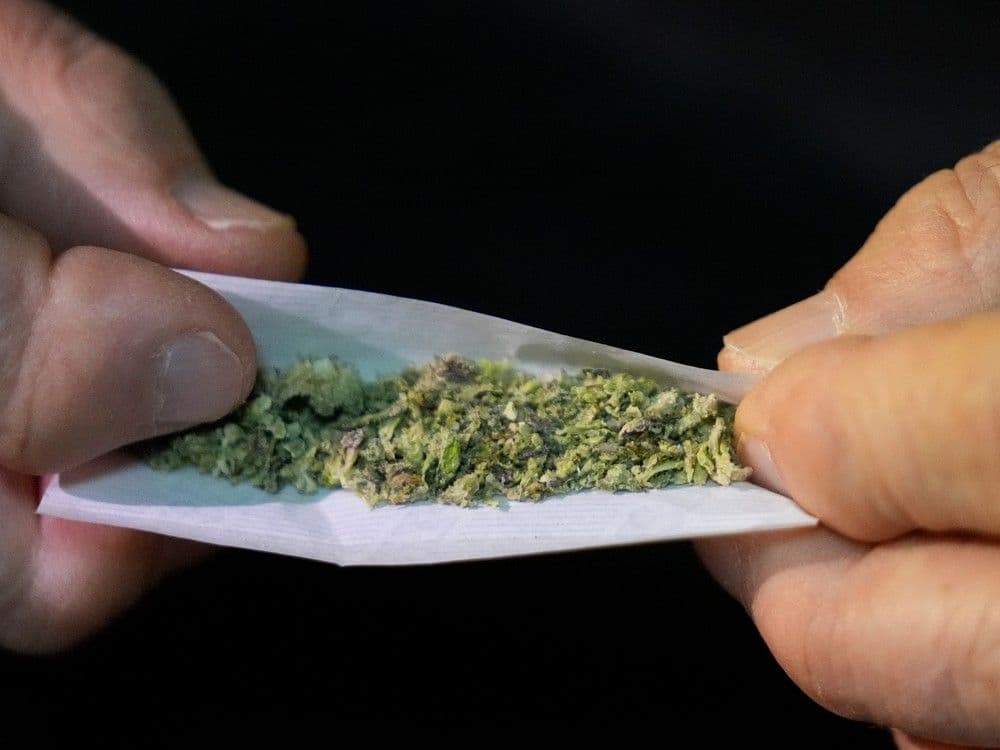
James Harding, 73, will no longer be under a court order to avoid drugs. The board accepted medical evidence that, while Harding continues to use cannabis, the amounts observed recently have not produced a change in his mental state.
What the board recorded about the 2020 attacks
In the early hours of Aug. 21, 2020, Harding, then living in a Scarborough group home, became agitated and paranoid, believing other residents were out to kill him. He armed himself with a hammer and attacked three co-residents, causing lacerations and bruising to one, a swollen arm to another, and skull and facial fractures to a third. He also smashed the windows of a parked car.
Police arrested Harding after he left the home. The board decision says he tried to punch an officer during arrest. While treated at hospital for cuts from broken glass, he kicked a nurse in the face. The nurse briefly lost consciousness. Harding faced multiple charges including assault with a weapon and aggravated assault, but a court found him not criminally responsible in May 2021 on account of mental disorder.
Diagnosis, substance use and treatment history
The board records show Harding has a long history of psychotic illness and substance use. He was diagnosed with schizophrenia in the late 1980s and more recently has been treated for schizoaffective and substance use disorders. His substance history includes cannabis, alcohol and cocaine, and he has attended residential treatment for alcohol.
"He has a long history of substance use, particularly cannabis, alcohol and cocaine,"
Ontario Review Board decision
The panel noted Harding often tests positive for cannabinoids and has expressed a desire to use cannabis regularly. The treating psychiatrist told the board that current levels of cannabis use had not been shown to change Harding's mental status. The board said the forensic team can request a urine sample if clinicians observe a change that might reflect increased cannabis use or other substances.
Recent behaviour, supervision and risk assessment
Harding has had several recent hospital admissions for worsening paranoia and medication adjustment. In January 2025 he experienced severe sleep disruption and increasing paranoid beliefs, at one point securing a fire extinguisher for protection. Staff readmitted him to hospital at that time, and he agreed to treatment.
He was discharged to a group home in April 2025. Staff administer his medication and the board reported he "continues to report auditory hallucinations but they do not appear to impact on his day-to-day functioning." The decision also records that Harding identifies his voices as "good voices" that give him positive messages.
"When his sleep is disrupted, his mental status deteriorates significantly. His paranoia becomes more intense and historically this has resulted in his arming himself with a weapon.",
Ontario Review Board decision
Because his mental state can fluctuate and past deterioration has led to violent acts, the panel concluded Harding remains a significant threat to people living and working near him, including police officers and health-care staff. The board therefore discharged him into the community under conditions meant to manage that risk.
Conditions of discharge
- Consent to treatment for schizoaffective disorder and substance use disorders
- Residence in a facility staffed 24 hours a day
- Medication adherence with administration by residence staff
- Clinical monitoring, including possible urine testing if clinicians observe changes
The board accepted clinical assurances that these conditions provide a supervised setting in which Harding can live while clinicians manage his psychosis and substance use. If his mental state worsens, the treatment team has the authority to bring him back to hospital.
Harding has a long personal history in Scarborough. He grew up with two younger sisters and spent much of his life playing drums in bands. The board decision traces decades of hospital admissions linked to paranoia and occasional arming himself for protection.
The decision to discharge Harding balances the persistent risk he poses with the clinical view that supervised community care, with clear conditions and monitoring, is the appropriate disposition at this time. The panel will continue to review his status under the statutory review process.
CrimeMental HealthOntario Review BoardCannabisScarborough