Ontario PCs reverse media ban for Doug Ford’s convention speech after miscommunication
The Ontario PC party will allow media to cover Premier Doug Ford’s speech after initially planning to bar reporters from the convention, a move the party now calls a miscommunication.
Copy link
By Torontoer Staff
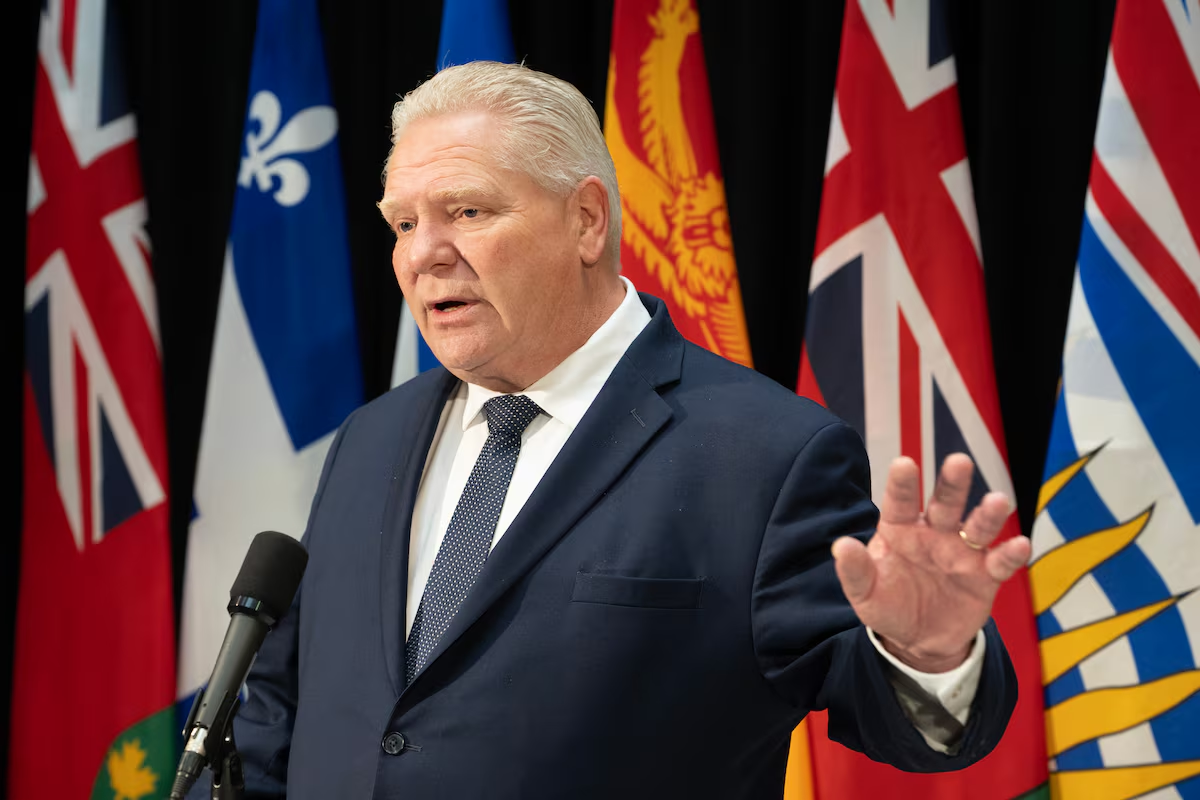
The Ontario Progressive Conservative party has reversed part of its plan to bar media from this weekend’s convention, announcing that Premier Doug Ford’s Saturday speech will be open to reporters. The decision follows public backlash after the party initially said the entire event would be closed to the press.
Kory Teneycke, Mr. Ford’s campaign manager, told the Globe and Mail the change was the result of a miscommunication within the party. He said media access will be permitted for the leader’s address and dinner, while other sessions will remain private.
What changed, and what stays closed
The party initially told reporters that the convention would be a closed event. That position was publicly asserted by party spokesman Peter Turkington, who emailed a statement saying the convention would not be open to media attendance. Later on Friday he authorised media access to the dinner with the leader, which includes Mr. Ford’s speech.
Mr. Teneycke said the party will still exclude media from some sessions, including a Saturday fireside chat with members and closed-door meetings on topics such as electoral strategy and fundraising. He described those elements as typical private convention business.
The private stuff’s private. But as you know, the Premier’s not shy in giving a speech and having people listen to it. It’s not some offence to his world view.
Kory Teneycke
Timeline and internal confusion
The original plan to exclude the press was first reported by the Toronto Star and prompted immediate criticism for departing from political norms of media access. After the report, party officials offered differing statements before settling on the concession to allow reporters into Saturday’s dinner and speech.
Mr. Teneycke acknowledged the inconsistent messaging in a follow-up to reporters. He told the Globe and Mail, "Turns out I think we said something different to you guys. Sorry about that."
Ford’s defence and party priorities
Mr. Ford defended the decision to restrict media earlier this week while attending intergovernmental meetings in Ottawa. He characterised the gathering as an internal party convention and emphasised that he regularly engages with the media outside such events.
So we’re going to keep it as a party convention, but I’m always open to sit down and chat with you folks anytime you want.
Doug Ford
The party also plans to announce a new executive on Sunday, an internal item organisers consider standard convention business. Teneycke stressed that certain discussions, especially those involving strategy and fundraising, will remain off limits to reporters.
Why access matters
Conventions typically mix public and private elements. Allowing media to cover a leader’s speech preserves public scrutiny while keeping internal strategy sessions private. Critics argued that a blanket ban would reduce transparency at a time when party decisions can influence public policy and election planning.
The partial reversal restores a measure of access, but it leaves questions about the criteria used to decide which parts of the convention are open. Observers will be watching how the party manages media access going forward, particularly around events that attract public interest.
What to expect this weekend
- Media will be allowed to attend the dinner with Premier Doug Ford on Saturday, including his speech.
- Reporters will not be admitted to the fireside chat with members on Saturday.
- Closed-door meetings on electoral strategy and fundraising will remain private.
- A new party executive will be announced on Sunday.
Coverage of Mr. Ford’s speech should proceed as a standard leader address, with reporters present for remarks and prepared to follow up on any policy statements. The party’s handling of access for the rest of the convention will likely shape reporting and public perceptions in the days after the event.
The party’s last-minute clarification resolves the immediate dispute over the leader’s address, but it underscores ongoing tensions between political organisers’ desire for private deliberation and journalists’ role in holding public figures to account.
Doug FordOntario PCsmedia accesspoliticsconvention