Ontario teens’ rising mental distress increasingly linked to frequent cannabis use, McMaster study finds
Rates of depression and anxiety among Ontario students nearly tripled from 2013 to 2023. Researchers find frequent cannabis use, higher potency and coping-motivated use may be factors.
Copy link
By Torontoer Staff
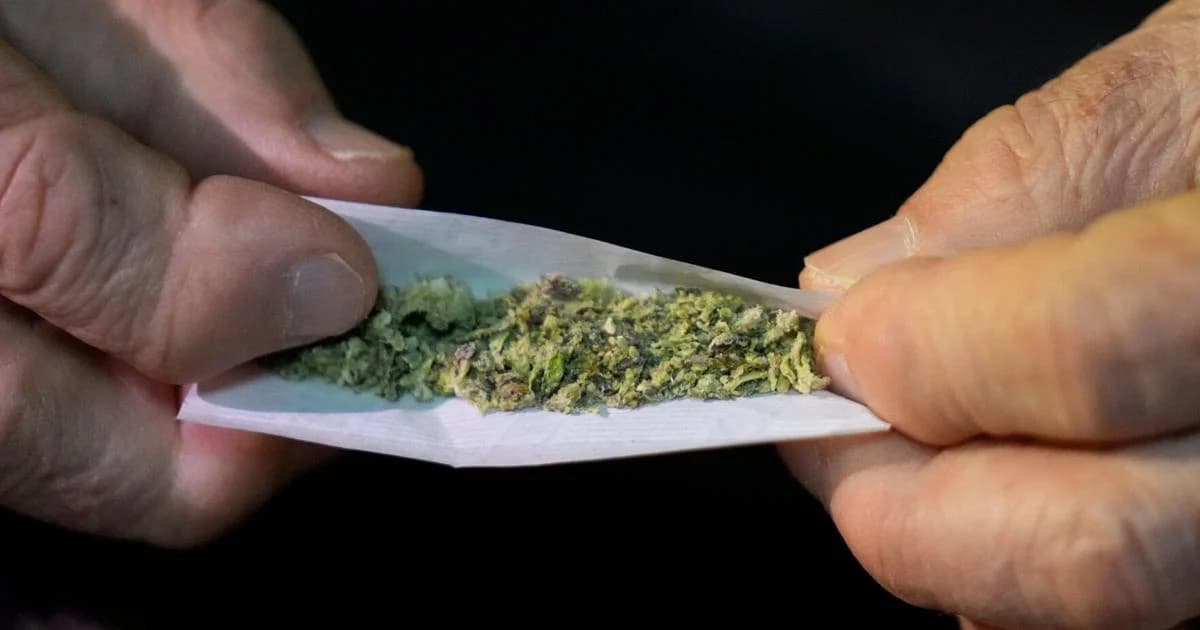
Rates of depression and anxiety among Ontario students in grades 7 to 12 nearly tripled between 2013 and 2023, rising from 10.7 per cent to 27.4 per cent, and researchers point to a growing link between high-frequency cannabis use and psychological distress. A study published in Addiction used responses from more than 35,000 students in the Ontario Student Drug Use and Health Survey to examine trends and associations over the decade.
In 2023, youth who reported using cannabis 40 times or more in the past year were 18 per cent more likely to report psychological distress than peers who did not use cannabis. That increased association was not seen in 2013, suggesting changes in the substance, use patterns or broader social factors may be at play.
What the data show
The study analysed responses from over 35,000 students across a 10-year span. Overall cannabis use declined slightly, from 23.1 per cent of respondents in 2013 to 17.6 per cent in 2023, but frequency among users and the prevalence of psychological distress increased. Almost half of teens who used cannabis said they did so to cope with mental health challenges.
Researchers also found gender differences in the 2023 data. The link between cannabis use and psychological distress was stronger among girls than boys, though girls generally report higher rates of mental health concerns across surveys.
How researchers interpret the link
Lead author André McDonald, a post-doctoral fellow at McMaster University, cautioned that the study does not prove causation. He said the association could reflect a bi-directional relationship, where mental health problems lead some teens to use cannabis to cope, and frequent use in turn worsens symptoms.
It’s possible that if it is bi-directional, that they’re actually reinforcing each other. You use cannabis, it contributes to mental health problems, and then you have those mental health problems and you use more cannabis to cope with them.
André McDonald, McMaster University
McDonald and his colleagues also point to broader societal pressures over the last decade as likely contributors to rising distress among youth, including the effects of the COVID-19 pandemic, economic challenges and evolving social media use.
Why potency and product changes matter
Researchers highlighted changes in cannabis products since 2013, particularly rising THC potency. Use of high-potency cannabis has been associated in other studies with increased risk of mental health disorders, and McDonald said potency may help explain why the stronger association with distress appears in recent data.
We are dealing with different products today in terms of THC potency, so teens, parents and school systems should be aware that these products carry elevated risk for teens.
André McDonald, McMaster University
Practical guidance for families and schools
The study’s authors call for more research to determine the degree to which cannabis contributes to mental health challenges, and for awareness of the risks certain products may pose to adolescents. In the meantime, families and school systems can take steps to reduce harm and support young people.
- Talk openly with teens about why they might use cannabis, including if they are using it to cope with stress or mood symptoms.
- Monitor frequency of use rather than focusing only on whether a teen uses cannabis at all, since frequent use shows stronger links to distress.
- Learn about product potency and changes in the market, and discuss risks associated with high-THC products.
- Prioritise access to mental health supports, including school counsellors and community services, rather than relying on substances for symptom relief.
- If a teen shows signs of worsening mood, anxiety or substance dependence, seek assessment from a health professional.
What researchers want next
The authors recommend further work to untangle cause and effect and to identify which products and patterns of use are most risky. They also call for policies and prevention efforts that reflect changes in the cannabis market and the continued rise in youth mental distress.
For now, the study adds to a growing body of evidence that frequent cannabis use among adolescents, combined with higher-potency products and coping-motivated consumption, warrants attention from parents, educators and health systems.
The findings do not replace clinical guidance. Families concerned about a young person’s mental health or substance use should consult a health professional.
mental healthcannabisyouthMcMaster Universitypublic health