Ottawa opens door to Chinese EVs. Should they build plants here?
Ottawa cut tariffs to allow 49,000 Chinese electric vehicles and is courting Chinese automakers to invest in Canada. The move aims to revive auto manufacturing and protect jobs.
Copy link
By Torontoer Staff
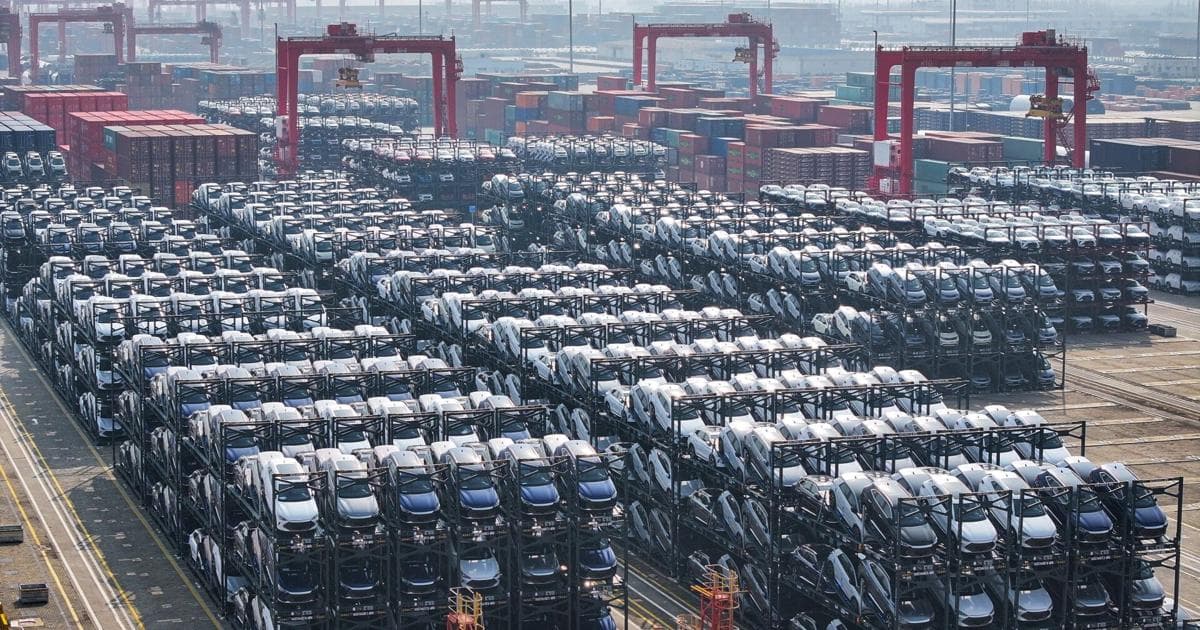
The federal government has agreed to allow up to 49,000 Chinese electric vehicles into Canada and sharply reduced tariffs on those imports, a move intended to prompt Chinese investment in Canada’s auto sector and help revive domestic manufacturing. Ottawa says the deal could bring factories and jobs here if Chinese automakers agree to build and partner locally.
The change follows a four-day visit to China by federal officials. Under the new arrangement, Chinese EVs initially face a preferential tariff of 6.1 per cent, down from a de facto ban enforced by 100 per cent tariffs since August 2024. The quota will grow by six per cent annually, reaching 70,000 vehicles over five years.
What Ottawa negotiated
Alongside tariff cuts on vehicles, China has agreed to reduce retaliatory duties on Canadian agricultural exports. Some tariffs on canola will fall to 15 per cent from 84 per cent in March, and other duties will be removed. Ottawa frames the package as reciprocal: more market access for Chinese EVs in exchange for restoring Canadian farm exports to Chinese markets.
It is expected that within three years, this agreement will drive considerable Chinese investment in Canada’s auto sector.
federal government statement
Why Chinese assembly plants matter
Chinese automakers, including major names such as BYD, already operate assembly plants in Europe and other regions. Building in-market factories cuts shipping costs and avoids regional trade frictions. For Canada, a plant would mean direct jobs, supplier contracts and a chance to adopt Chinese battery and EV technology inside domestic manufacturing lines.
Canada currently exports most vehicles to the United States. U.S. trade policy has become less predictable, and Ottawa sees Chinese-built EVs assembled here as a way to diversify export options and protect local jobs in the roughly 125,000-person auto sector.
Economic trade-offs and practical safeguards
Chinese EVs often undercut rivals on price, sometimes by $10,000 to $15,000 for comparable models. That competitiveness could pressure higher-cost plants in Ontario if imports rise unchecked. But the initial quota equals only about three per cent of annual Canadian vehicle purchases, limiting immediate disruption.
Provincial and federal leaders say Canada can use investment rules to protect jobs and capture technology. Officials are considering low preferential tariff rates for automakers that build in Canada, job guarantees for local workers, and negotiated technology transfers to strengthen domestic capabilities.
- Preferential tariffs for automakers that manufacture vehicles in Canada
- Job guarantees and local hiring requirements tied to incentives
- Technology-transfer agreements to develop domestic EV know-how
- Joint ventures and majority Canadian ownership models
Political reactions and trade tensions
The deal drew sharp initial criticism from Ontario’s premier, who warned it could give China a foothold in Canada and disadvantage local workers. He later softened that stance, leaving the door open to Chinese plants that employ union labour and invest locally.
Make no mistake: China now has a foothold in the Canadian market and will use it to their full advantage at the expense of Canadian workers.
Ontario Premier Doug Ford
If they want to come and open a big manufacturing facility and employ Unifor employees, well, let’s talk.
Ontario Premier Doug Ford
The United States welcomed some aspects of the outcome but expressed concern about deeper Canada-China economic ties. U.S. trade officials signalled they will scrutinize any changes during the upcoming renegotiation of the Canada-U.S.-Mexico Agreement.
The truce reached by Canada and China is problematic for Canada. In the long run, they’re not going to like having made that deal.
Jamieson Greer, U.S. trade representative
What comes next for buyers and workers
For consumers, the immediate effect may be slightly lower prices and more model choices as Chinese brands enter showrooms. For workers, the key question is whether Ottawa secures concrete manufacturing commitments and technology-sharing arrangements before broader market access is granted.
Federal officials plan to unveil an auto strategy that links tariff benefits to local production. That strategy will determine whether the policy triggers new assembly plants in Ontario or simply increases imports.
The outcome will shape Canada’s auto sector for years: it could restore manufacturing momentum through foreign direct investment, or it could intensify competition for existing plants without delivering promised jobs and technology. Ottawa’s next policy steps and the terms it negotiates with Chinese firms will decide which path unfolds.
Canada’s auto future now depends on whether policymakers convert market access into concrete, enforceable commitments that expand domestic production and secure the technology and jobs the sector needs.
automotiveelectric-vehiclestradeChinamanufacturingOntario