Poilievre runs private campaign to shore up support ahead of leadership review
Pierre Poilievre is holding private meet-and-greets and his team is calling delegates before the Jan. 30 leadership review as they work to secure support.
Copy link
By Torontoer Staff
Pierre Poilievre and a team of close advisers are conducting a coast-to-coast push to secure delegate backing before the Conservative Party’s leadership review on Jan. 30. Although he is widely expected to win, Poilievre’s team is running private meet-and-greets and targeted calls to ensure the result is decisive.
The outreach includes events billed to delegates, one Ottawa-area meeting described as a “Conservative appreciation event,” and smaller gatherings where members can raise concerns directly with the leader. Party insiders say organisers are emphasising the party’s gains in seats and popular vote from the recent election as part of the argument for keeping Poilievre in place.
How the ground game is unfolding
Poilievre is meeting delegates privately while members of his inner circle hold parallel sessions and make outreach calls. Several people involved in the effort, speaking on condition of anonymity, named strategist Hamish Marshall and MP Arpan Khanna among those working the phones and meeting delegates. Both have played prominent roles since Poilievre’s 2022 leadership win.
This is an opportunity to celebrate the hard work and dedication of our grassroots members.
Conservative Party invitation
Organisers say the events are intended to be both a listening exercise and a chance to set out a forward-facing case for Poilievre’s continuing leadership. Poilievre is also scheduled to give a speech at the convention before delegates cast their ballots.
The rules that shape the vote
Under the party’s constitution, a leader who loses a general election must face a leadership review. Poilievre lost the election this spring but improved the party’s seat count and lifted its share of the popular vote, messages his team is stressing in outreach to delegates.
The constitution requires more than 50 per cent of votes cast for a leader to remain in place. That simple majority, however, has not guaranteed long-term tenure in other parties or provinces. In 2022, for example, United Conservative Party leader Jason Kenney resigned after winning 51.4 per cent in a review vote.
History and strategy from past reviews
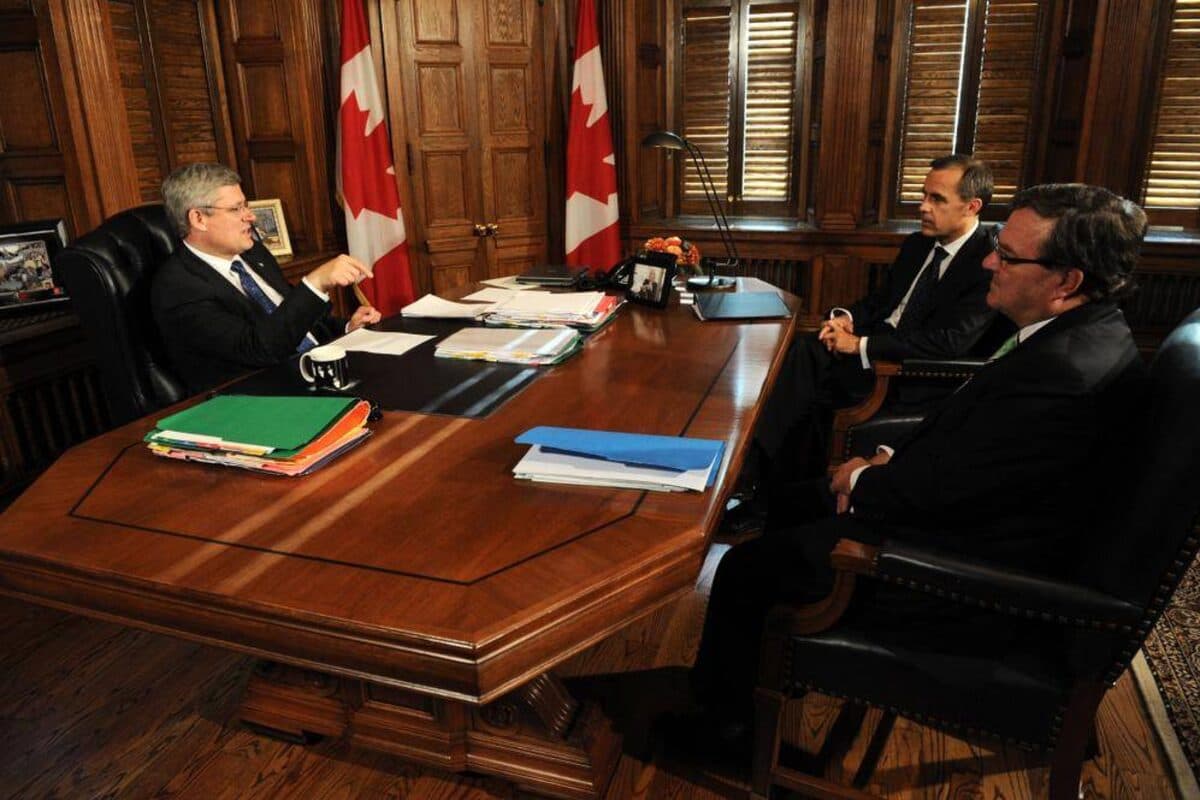
The Conservative Party’s last leadership review of this kind was in 2005. Stephen Harper won 84 per cent of the vote that year after a coordinated ground game and a speech that framed the path forward, according to people who worked on that campaign.
The context was important, Mr. Harper had overdelivered on the 2004 election, and he had to rise above the fray to show the path to victory. Delegates wanted to see that.
Ian Brodie
Ian Brodie, who advised Harper, says the combination of pre-convention outreach and a compelling speech just before the vote mattered. “This time, the psychology is different,” he added, noting the contrast between public polling expectations and the election outcome last year.
Attendance and practical factors to watch
Turnout among delegates will affect the outcome. The party expects a convention in Calgary, but organisers do not yet know how many delegates will be present to cast ballots. The 2023 convention in Quebec City drew about 3,000 attendees, but several factors could reduce numbers this time.
One complication is scheduling: the Ontario Progressive Conservatives are holding their convention the same weekend, and some Ontario-based federal delegates may choose to stay closer to home. Others are prioritising celebrations in Ottawa marking 20 years since Stephen Harper became prime minister, which are set for the week after the Calgary convention.
- Who shows up: delegate turnout will determine how representative the result is of the broader membership.
- Poilievre’s speech: his address before the vote will be a focal point for delegates weighing their choice.
- Margin of victory: party organisers have not set or announced a target percentage beyond the constitutional majority.
- Regional variations: travel costs and calendar conflicts could affect representation from key provinces.
What to expect on Jan. 30
Poilievre is widely expected to win the review, but his team’s outreach shows they want more than a narrow majority. Organisers are combining private meetings, public events and phone outreach to shape the result and the narrative heading into a year that will include continued debate over party strategy and the path to the next federal election.
The vote will not only decide Poilievre’s immediate future, it will set a tone for how the party addresses internal concerns and plans for 2026. For now, his campaign is focused on delivering a clear margin and a mandate from delegates to press on.
Pierre PoilievreConservative Partyleadership reviewpoliticsCalgary convention