Revived Monroe Doctrine stokes fear and memory in Colombia, Grenada and Panama
Trump’s revival of a Monroe-style doctrine has revived memories of past U.S. interventions in Colombia, Grenada and Panama, where communities still reckon with the consequences.
Copy link
By Torontoer Staff
The Trump administration’s recent actions in Venezuela and talk of a so-called 'Donroe Doctrine' have stirred anxiety across Latin America and the Caribbean. In Colombia, Grenada and Panama, the prospect of renewed U.S. assertiveness has reopened wounds left by Cold War-era interventions and prompted fresh debate about sovereignty and security.
Those countries share histories of direct American involvement that shaped their politics and societies for decades. Reporting from the three places shows how memories of past operations, from aerial assaults in rural Colombia to paratroopers in Grenada and a full-scale invasion of Panama, inform how people interpret current U.S. policy.
Colombia: Marquetalia and its long shadow
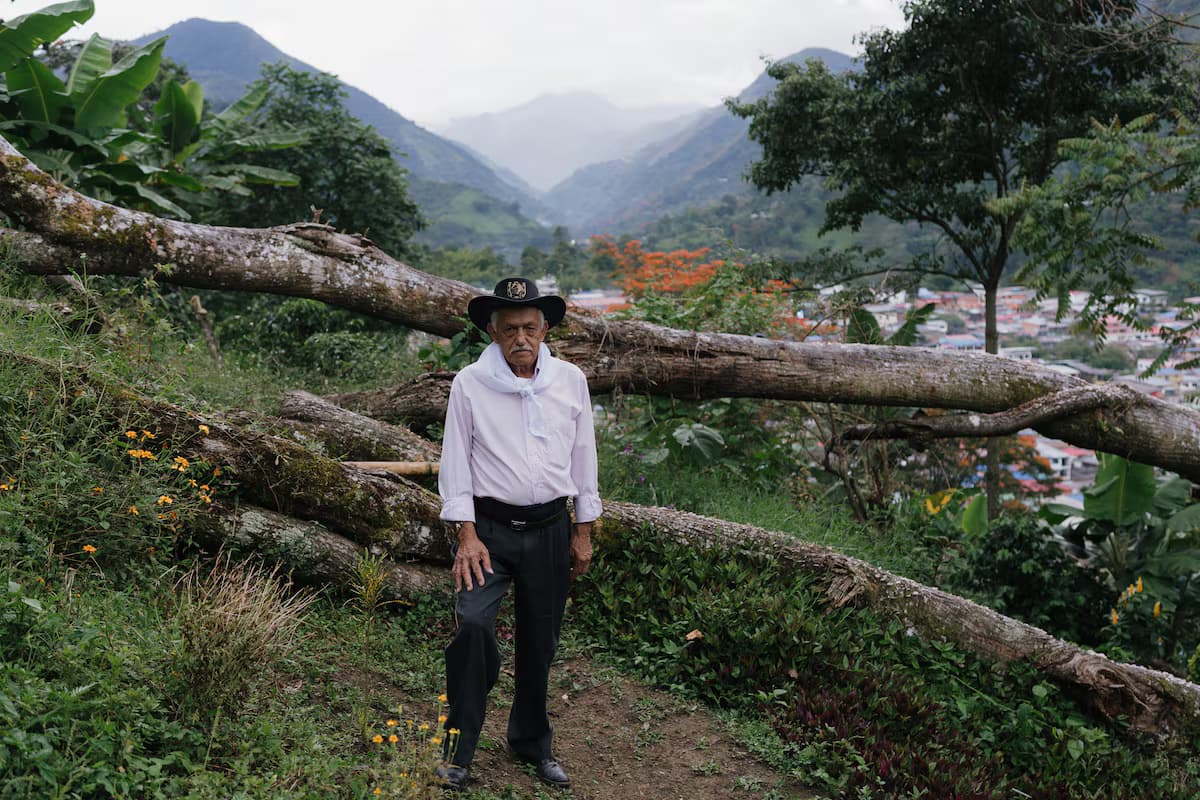
In the steep valley of Gaitania, Humberto Tafur, 83, remembers Operation Marquetalia on May 18, 1964, when military aircraft bombed forested hills to uproot a cluster of peasant fighters led by Manuel Marulanda, later known as Tirofijo. The assault helped catalyse what became FARC, a guerrilla movement that fought for decades and cost an estimated 220,000 lives.
U.S. military advisers and training teams had aided Colombian counter-insurgency planning, and modern weaponry and tactics shaped the response. The intervention, intended to eliminate a local threat, instead contributed to a long cycle of violence, displacement and narcotrafficking that Colombia is still addressing.
That’s where the problems started.
Humberto Tafur
Colombian scholars and reconciliation officials argue the state should have pursued measures to win local support rather than annihilate insurgent nuclei. The lesson resonates now, as observers warn that heavy-handed external approaches often produce unintended consequences within fragile societies.
Grenada: a model and a controversy
When U.S. paratroopers landed in Grenada in October 1983, the operation was celebrated at home as a decisive act against a Communist-aligned regime. Locally, reactions were mixed. Some welcomed the removal of Maurice Bishop’s government. Others view the invasion as an overreach that reshaped Caribbean politics and set a precedent for future interventions.
Andrew Bierzynski, a Grenadian businessman who assisted U.S. forces in 1983, calls the Trump-era doctrine 'the naked fist of American arrogance.' He and other islanders say past cooperation with the United States does not erase unease about renewed strategic interest, including recent U.S. requests for military facilities and elevated travel advisories that hurt tourism.
This is the naked fist of American arrogance.
Andrew Bierzynski
Grenada’s invasion provided a clear, if disputed, demonstration of U.S. willingness to use force in its neighbourhood. That memory shapes how authorities and citizens respond to new requests or threats, and it influences how the region reads U.S. intentions today.
Panama: scars from Just Cause
In December 1989, Operation Just Cause brought 24,000 U.S. troops into Panama to unseat Manuel Noriega. The operation removed an authoritarian leader, but it also left deep scars. In neighbourhoods such as El Chorrillo, residents recount destroyed homes, civilian deaths and lingering trauma.
Many Panamanians initially supported Noriega’s removal. Over time, however, questions have persisted about the scale of the violence, the number of civilian casualties and the incomplete accounting for the dead. Activists and families still press the government and international bodies for reparations and recognition.
Do not trust the Americans. They just look out for their own interests. They are not friends with anybody.
Trinidad Ayola, advocate for victims of the 1989 invasion
For many Panamanians, the experience reinforced a sense that strategic corridors such as the canal make the country perpetually vulnerable to external influence. That reality shapes domestic politics and civil society efforts to demand accountability and memorialise victims.
What history suggests about today
Scholars say invoking a Monroe-style doctrine signals a return to classic great-power thinking: carving out spheres of influence and acting to prevent rivals from gaining footholds. For critics, the rhetoric and actions around Venezuela show a readiness to prioritise strategic and resource interests, sometimes at the expense of local stability.
- 1823: Monroe Doctrine asserts U.S. opposition to European colonisation in the Americas.
- 1964: Operation Marquetalia contributes to the formation of FARC in Colombia.
- 1983: U.S. forces invade Grenada, removing a Cuba-friendly government.
- 1989: Operation Just Cause ousts Manuel Noriega in Panama.
People in the three countries interviewed for this reporting do not share a single view. Some remember U.S. action as relief, others as trauma. Common to all accounts is a wary awareness that outside interventions can solve immediate problems while producing long-term costs.
A concluding note
The revival of Monroe Doctrine language has renewed a regional conversation about sovereignty, memory and the limits of intervention. For Colombians, Grenadians and Panamanians who lived through past operations, the present moment is not just diplomatic manoeuvring. It is a reminder that the legacies of force endure, and that caution is warranted when power is asserted from afar.
Monroe DoctrineU.S. foreign policyColombiaGrenadaPanamaLatin America