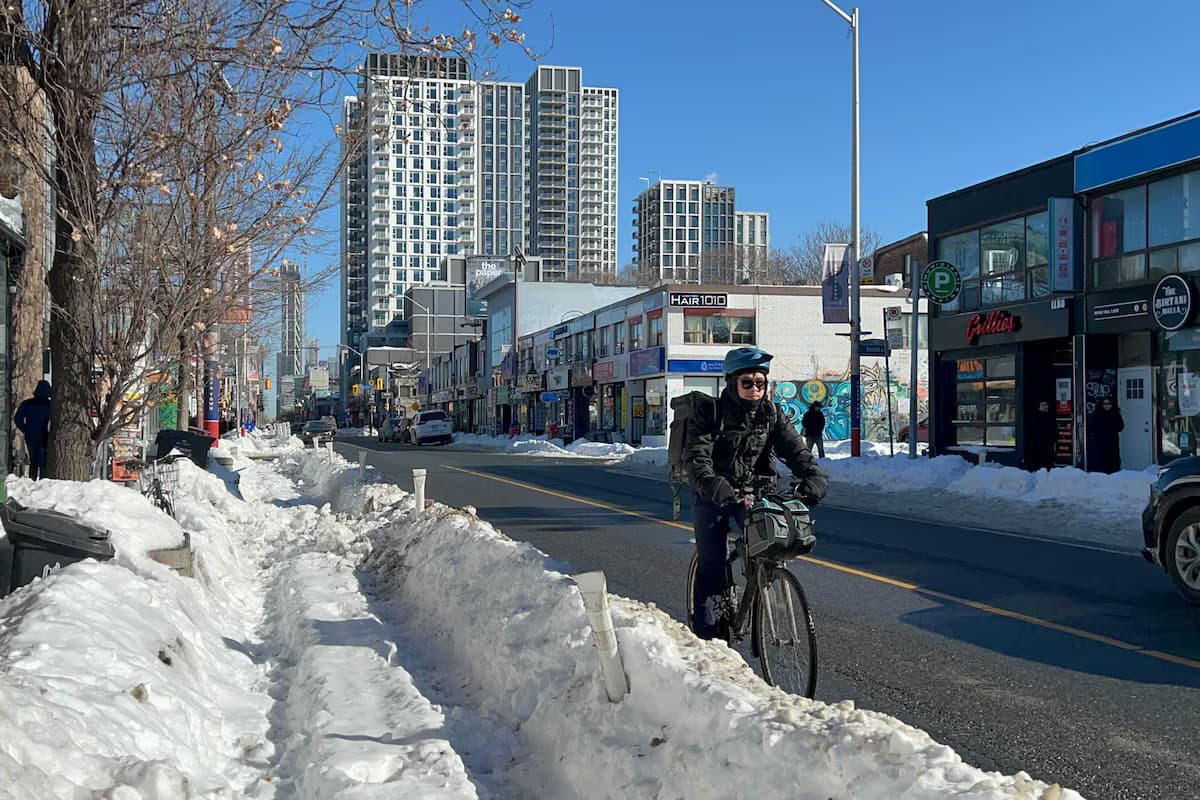
Snow squalls could drop up to 40 centimetres across southern Ontario as blizzard warnings issued
A multi-day winter storm will bring heavy snow, strong winds and blizzard conditions to parts of southern Ontario from Jan. 19 to Jan. 21. Travel may be hazardous.
Copy link
By Torontoer Staff
A multi-day winter event will bring heavy snow, intense snow squalls and strong winds to southern Ontario from Monday, January 19, through Wednesday, January 21, weather agencies say. Parts of the Lake Huron and Georgian Bay corridors could get 20 to 40 centimetres, with blizzard conditions expected in several counties.
The Weather Network warns of near-zero visibility on roads and 'hazardous travel conditions' as the system moves in from the Prairies and interacts with the Great Lakes.
Where the worst conditions are forecast
The areas likely to see the most prolonged impacts include communities downwind of Lake Huron and Georgian Bay. Environment Canada has issued blizzard warnings for a number of locations across southern Ontario.
- Bruce Peninsula, Sauble Beach, Tobermory
- Goderich, Bluewater, southern Huron County
- Hanover, Dundalk, southern Grey County
- Listowel, Milverton, northern Perth County
- Mount Forest, Arthur, northern Wellington County
- Owen Sound, Blue Mountains, northern Grey County
- Picton, Sandbanks Park
- Saugeen Shores, Kincardine, southern Bruce County
- Stratford, Mitchell, southern Perth County
- Wingham, Blyth, northern Huron County
Additional snow squall warnings and blowing snow advisories cover wide parts of southern Ontario, including Newmarket, Uxbridge, Orillia, Caledon, Orangeville, Kitchener, Guelph, Sarnia, Windsor, St. Catharines, Niagara Falls, Peterborough and Kingston.
Snow totals, wind and timing
Intense snow squalls are expected Monday and Tuesday. Accumulations will vary by location and by how long individual squalls stall over an area. Forecast highlights include:
- 20 to 40 centimetres near Lake Huron and Georgian Bay, with localized higher amounts possible in persistent squalls
- An additional 15 to 25 centimetres possible for some areas downwind of Georgian Bay by Tuesday morning
- 20 to 30 centimetres and wind gusts of 70 to 90 kilometres per hour forecast for Prince Edward County
- Heavy snow from Kingston to Cobourg to Oshawa along Highway 401, which could significantly reduce visibility
- Five to 10 centimetres expected across Toronto and the GTA on Wednesday as another system moves through
Blowing snow is likely to continue into Tuesday morning and then gradually ease through the day as conditions begin to calm.
'Hazardous travel conditions' and near-zero visibility are expected on roads during the height of the event.
The Weather Network
Cold snap to follow
After the snowfall, arctic air will move in over the Great Lakes and bring much colder temperatures by the weekend. Daytime highs are expected to be in the minus teens across much of southern Ontario on Saturday, and parts of northern Ontario could see temperatures near minus 40 degrees Celsius.
'Dangerous cold' is expected to take over by the weekend as arctic air settles in.
The Weather Network
Practical steps and travel considerations
Travelers and residents should plan for disruptions, including reduced visibility, slower highway speeds and the potential for stranded vehicles or brief road closures. Public transit and flights may experience delays or cancellations.
- Check local advisories from Environment Canada and municipal alerts before travelling
- Allow extra time for trips, and avoid travel during peak squall periods if possible
- Carry an emergency kit in vehicles, including warm clothing, water and a charged phone
- Secure loose outdoor items and expect possible power interruptions in exposed areas
- Watch for changing conditions, including sudden reductions in visibility during snow squalls
Local municipalities and road authorities will issue updates as conditions change. If you must drive, reduce speed and increase following distance in heavy snow and blowing conditions.
Staying informed
Monitor forecasts from Environment Canada and The Weather Network for the latest warnings and watches. Sign up for local emergency alerts and check municipal road condition pages before heading out.
This storm will move through in phases over several days, with the worst conditions focused Monday and Tuesday and a brief additional snowfall Wednesday in some areas. Expect much colder temperatures to follow through the rest of January.
weathersnowblizzardOntariotravel