Snowstorm exposes winter accessibility gaps, advocates say
Record snowfall and icy sidewalks left people with disabilities stranded or at risk, advocates say. They want municipal standards, targeted clearing and paid support options.
Copy link
By Torontoer Staff
A record snowfall followed by days of ploughing has left many Torontonians struggling to move safely, but disability advocates say the storm has a disproportionate impact on people with mobility and vision impairments. Retired lawyer and accessibility campaigner David Lepofsky says he can no longer rely on rushing between destinations because layered snow and ice make it unsafe.
Lepofsky, 68, who is blind, said piles of snow at driveway mouths and uneven, uncleared sidewalks turn simple trips into hazardous efforts. He is calling for clearer municipal standards and targeted winter services to protect people who depend on predictable, navigable routes.
How the storm affected mobility
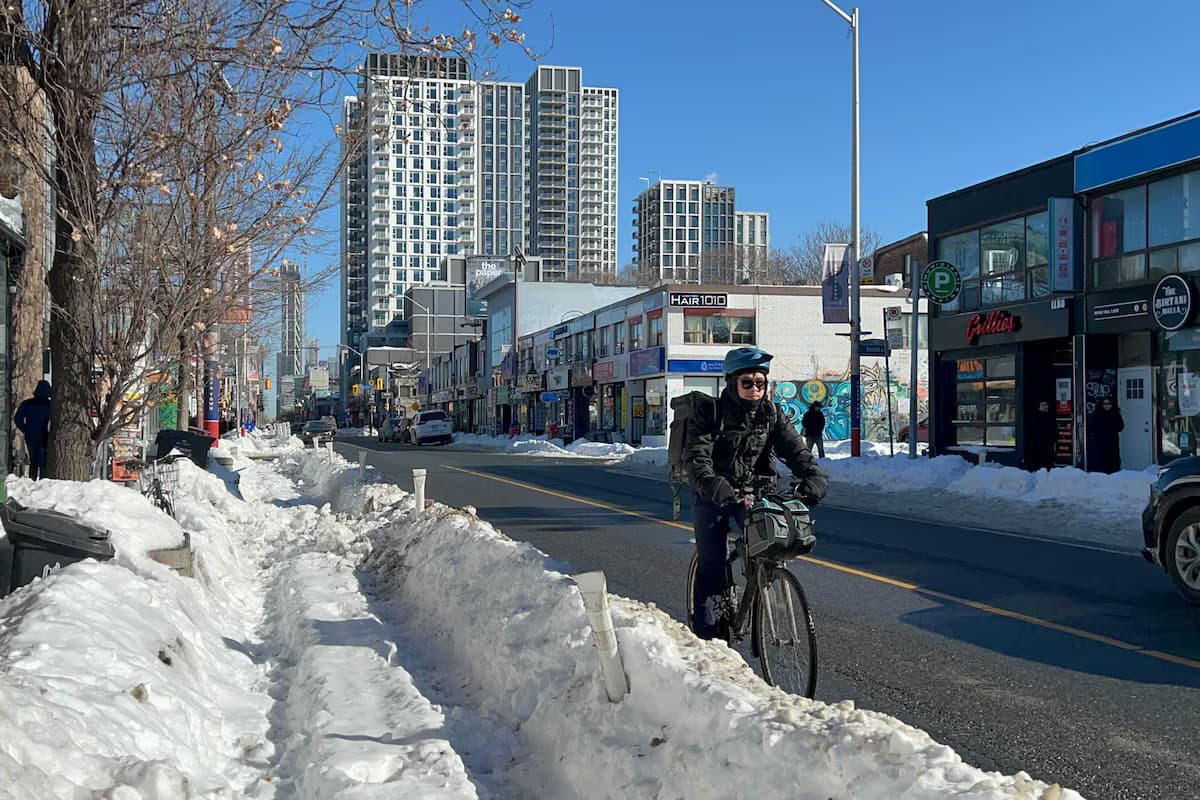
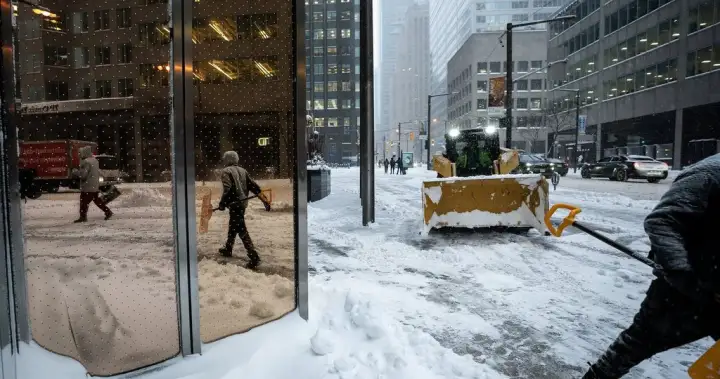
Snow accumulation in some parts of the city exceeded 50 centimetres. That volume complicates cleanup in dense urban areas, but advocates say the strategy of pushing snow to the curb or creating large piles at sidewalk ends can block access entirely. For people who use canes, walkers, wheelchairs or who rely on sound and tactile cues, those obstructions are not minor inconveniences, they are safety hazards.
Because even if the route is shovelled in certain parts, you can hit one mountain and it’s game over. Nobody wants a broken hip, later in life that can be terminal.
David Lepofsky
Advocates point out multiple practical consequences: inability to reach grocery stores or pharmacies, missed medical appointments, and caregivers unable to access clients who live on clogged streets. Rabia Khedr, national director of Disability Without Poverty, said emergency preparedness plans need to account for those realities.
What advocates want
Under the Accessibility for Ontarians with Disabilities Act, the province is required to develop standards that reduce barriers in the built environment and public spaces. Lepofsky and others say that should include explicit guidance for municipalities on winter operations, including how to prioritise routes and avoid creating impassable snowbanks.
Under Accessibility for Ontarians with Disabilities Act, there is this whole thing of the built environment and public spaces being barrier-free. However, I don’t think we’ve yet to identify every single barrier that people could potentially face, and especially in terms of emergency preparedness.
Rabia Khedr
Suggestions from advocates include registering addresses of residents with disabilities so crews know where extra attention is required, and creating designated priority clearing zones around accessible housing, transit stops and health services. They also propose programs that let people with disabilities purchase affordable snow removal for their own pathways and driveways when municipal resources are stretched.
Practical steps municipalities and neighbours can take
- Create and publish priority clearing maps that include accessible routes to transit stops, clinics and grocery stores.
- Offer a voluntary registration for residents who need extra winter support, while protecting privacy and consent.
- Pilot subsidised or fee-based snow clearing services targeted to people with disabilities and older adults.
- Train snow crews on how to avoid creating sidewalk-blocking piles at driveway mouths and corners.
- Encourage homeowners and landlords to clear full widths of sidewalks and keep curb cuts accessible.
The City of Toronto said cleanup from the recent storm will take several days and asked residents to be patient. City officials have promised more proactive removal after criticism of the February 2025 response. Advocates say those promises must translate into concrete policies that prioritise accessibility.
Personal actions and neighbourly support
Individuals can also reduce risk for neighbours with mobility challenges. Clearing the entire width of sidewalks, avoiding piling snow at corner cuts and helping identify accessible routes during cleanup can make a measurable difference. Neighbourhood groups or condo boards can coordinate volunteer snow-clearing for those who cannot pay for services.
Lepofsky emphasised the broader stakes. Aging is the single biggest cause of disability, he said, so winter accessibility is not a niche concern. By planning for people who need clearer routes now, cities and residents also prepare for the majority of people who will face mobility limits later in life.
The conversation that follows this storm will test whether municipalities move from intermittent fixes to consistent winter policies that protect the mobility and safety of all residents.
snowaccessibilityAODATorontowinter