Subpoenas issued in Minnesota probe as clashes over immigration enforcement continue
Federal grand jury subpoenas were served to Gov. Tim Walz’s office and other officials in a probe into possible obstruction during a large immigration enforcement operation in Minneapolis–St. Paul.
Copy link
By Torontoer Staff
Federal prosecutors served grand jury subpoenas to Minnesota Gov. Tim Walz’s office, Attorney General Keith Ellison, the mayors of Minneapolis and St. Paul, and officials in Ramsey and Hennepin counties as part of an investigation into whether state and local leaders obstructed or impeded immigration enforcement during a recent surge of federal operations in the Minneapolis–St. Paul area.
The subpoenas, which seek records and communications, arrived as confrontations between federal officers and local residents and advocates continued, and as courts consider legal challenges to the operation following the fatal shooting of a local woman, Renee Good, by an immigration officer on January 7.
Scope of the subpoenas and the investigation
Officials familiar with the probe said the grand jury subpoenas focus on whether public statements and actions by Minnesota officials amounted to obstruction or a conspiracy to impede federal immigration enforcement. A subpoena made public by Minneapolis Mayor Jacob Frey’s office requested records that could show, among other things, any refusal to assist immigration officials.
The subpoenas follow the Justice Department’s recent move to oppose efforts seeking to halt the federal enforcement surge. The department characterised the state's lawsuit, filed soon after the shooting, as legally frivolous. Minnesota officials have argued the operation violates constitutional rights and have criticised federal tactics.
We shouldn’t have to live in a country where people fear that federal law enforcement will be used to play politics or crack down on local voices they disagree with.
Minneapolis Mayor Jacob Frey
Numbers, transparency and disputed claims
U.S. Border Patrol commander Greg Bovino said more than 10,000 people in the country illegally have been arrested in Minnesota in the past year, and that about 3,000 of those arrests involved what he described as among the most dangerous offenders during the recent operation, called Operation Metro Surge. Local advocates say they have no independent way to verify federal arrest figures or the descriptions of those taken into custody.
Julia Decker, policy director at the Immigrant Law Center of Minnesota, said advocates are frustrated by the lack of transparent information about detainees and the legal justifications for arrests. The dispute over data feeds into broader concerns about oversight and accountability during large-scale federal enforcement actions in urban areas.
Protests, policing and the shooting of Renee Good
Tensions escalated after the January 7 shooting of 37-year-old Renee Good, who was killed while moving a vehicle that had been blocking an area where immigration officers were operating. Federal officials say the officer, Jonathan Ross, shot her in self-defence. Video of the encounter led to public outcry and sustained confrontations between residents and federal officers in both Minneapolis and St. Paul.
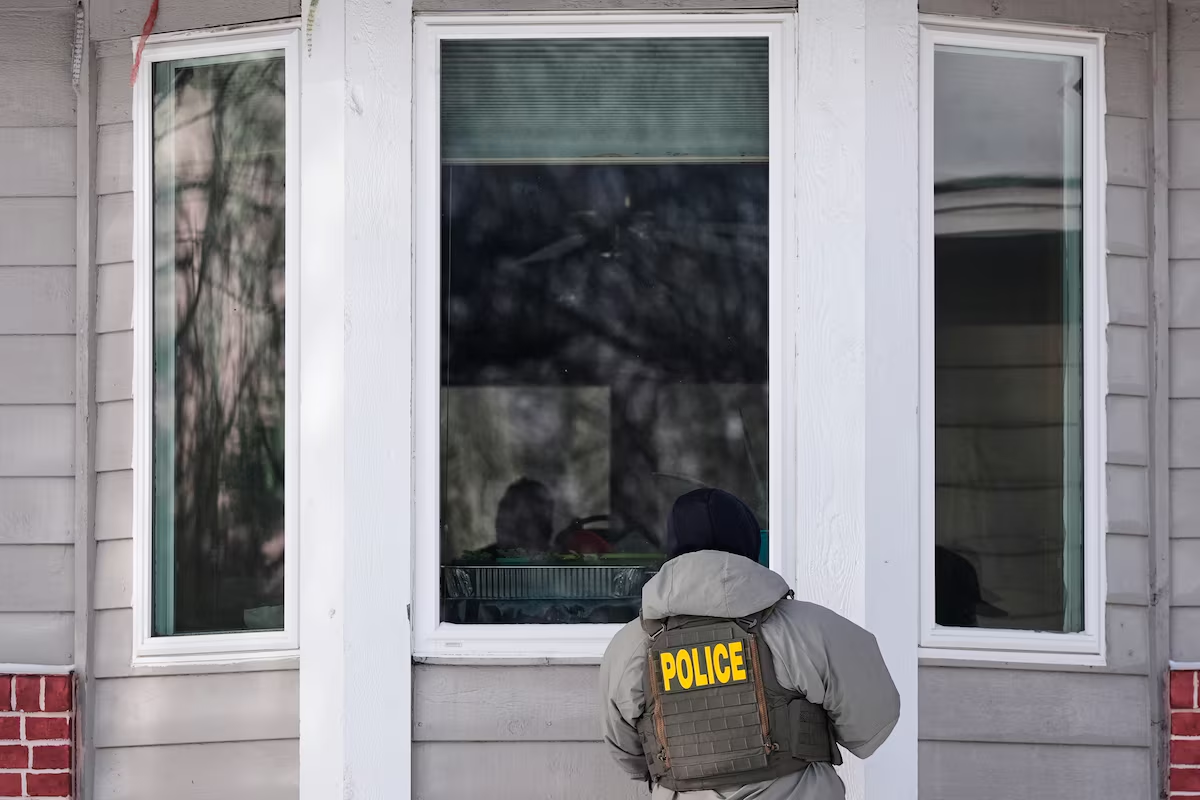
Protesters have repeatedly confronted ICE and Border Patrol personnel, using whistles and shouting. Federal officers have responded with tear gas and chemical irritants on multiple occasions. Bystander videos show officers forcing entry into homes with a battering ram, breaking vehicle windows, and removing people from cars.
Our troops' actions are legal, ethical and moral.
Greg Bovino, U.S. Border Patrol
Church disruption and community reactions
An anti-ICE protest at Cities Church in St. Paul drew criticism after about three dozen people entered a service and walked toward the pulpit. The church’s pastor called the disruption unlawful and said invading a worship service is protected neither by Christian scripture nor by U.S. law. Homeland Security Secretary Kristi Noem described the protesters as "agitators" and warned of arrests.
Local activists have pushed for accountability on multiple fronts. Nekima Levy Armstrong, a lawyer and community organiser, called for the resignation of a church leader who also works at a local ICE office, arguing the dual role creates a fundamental moral conflict.
Legal posture and next steps
The subpoenas signal an expanding federal probe into how Minnesota officials have responded to the enforcement surge. Attorneys involved in the state’s lawsuit and federal prosecutors are preparing filings as courts weigh claims about constitutional rights, public safety, and the legality of the enforcement tactics used.
Vice-President JD Vance is expected to visit Minneapolis for consultations with local leaders and community members, according to sources familiar with the plans. The visit could increase political attention on both the operation and local responses.
The investigation and litigation are active. Subpoenas seeking communications and records may produce evidence that shapes whether federal prosecutors pursue obstruction or conspiracy charges, and courts will continue to adjudicate the competing legal claims from state and federal officials.
For now, clashes on the ground and disputes in court are both ongoing. Officials on all sides say they will press their positions as investigators and judges review the documents and evidence the subpoenas are intended to uncover.
immigrationMinnesotaICEprotestslaw