TCHC to redesign community safety after review finds racial bias and slow responses
Toronto Community Housing will overhaul its Community Safety Unit after a review found slow response times, racial bias and an enforcement-first culture. The plan shifts to a wellbeing-focused model.
Copy link
By Torontoer Staff
Toronto Community Housing Corporation is moving to overhaul its Community Safety Unit after an independent review concluded the unit has failed many tenants, showing slow response times, fractured responsibilities and racial bias. The board approved a strategy in December that shifts the CSU away from an enforcement-first model toward a holistic approach focused on tenant wellbeing.
Under the plan the CSU will keep a foundational role but work more closely with other TCHC staff and police, and invest in community outreach. Preliminary cost estimates range from $4.4 million to $5.9 million.
What the review found
- Slow or inconsistent responses to calls, with some incidents taking days to resolve
- Confusion over roles, since constables have law-enforcement powers but are not meant to act as police
- A culture shift after rapid hires in the 2010s that left many constables seeing themselves as police rather than part of a housing team
- Reports that incident files were late, incomplete or inaccessible to other TCHC staff
- Evidence of racial bias in how Black, Indigenous and racialized tenants, and 2SLGBTQ+ residents, experienced safety services
The review said the CSU grew quickly to more than 180 employees serving about 93,000 residents. Its budget tripled in less than a decade, reaching $38.3 million in 2021, but the safety model created inefficiencies and missed opportunities to address daily concerns that undermine tenants' sense of safety.
Planned changes
TCHC’s strategy redefines safety to include residents’ sense of wellbeing, not just the absence of crime. The CSU will be expected to collaborate more with housing staff, community outreach programs and police, while TCHC increases engagement through resident events and targeted supports.
The board approved the strategy in mid-December, and Vidal Chavannes, the newly appointed senior director of the CSU, is leading implementation and efforts to rebuild trust.
Sometimes we failed. We have an opportunity to contribute to an implementation plan that will make our goals real.
Vidal Chavannes, senior director, Community Safety Unit
Residents describe long waits and feeling ignored
Tenants described frequent, low-priority incidents that go unresolved for days. The review noted property crime and mischief calls have risen sharply since 2018, and because those calls are treated as lower priority, response times have slowed.
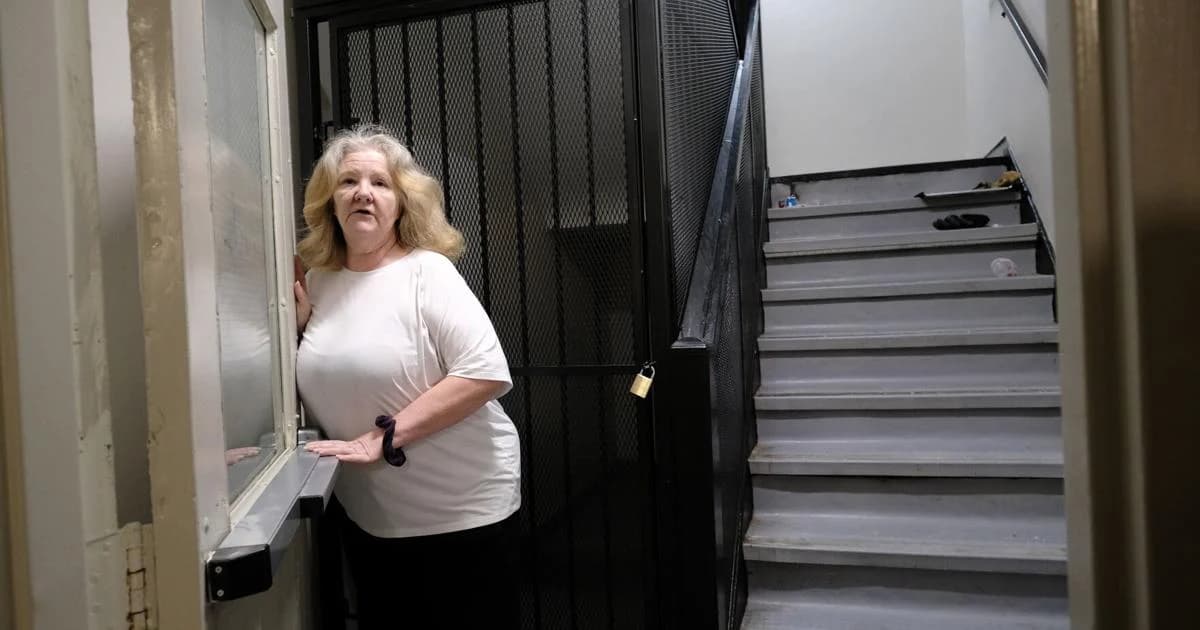
Marcy Chabot, a 58-year-old tenant, said a man entered her apartment at night and fled when he realised she had seen him. She called the CSU, which arrived about an hour later and said it had notified police. She said police arrived five days after the break-in.
We’re not human here.
Marcy Chabot, TCHC tenant
I get angry, I make phone calls, then I cry and give up.
Marcy Chabot, TCHC tenant
Chabot and other tenants reported ongoing hazards in common areas, including drug paraphernalia and people sleeping in stairwells. Several residents said they feel belittled or ignored when raising concerns with CSU officers.
Culture, accountability and policing relationships
The review traced some problems to hiring patterns in the 2010s, when many retired officers were brought into leadership roles. Reviewers found that approach narrowed the unit’s focus toward traditional law enforcement, and away from community-based safety work.
The CSU’s ambiguous role has created friction with Toronto police. Since 2021, the CSU enforces trespass on TCHC properties, a policy that police have questioned. Police and TCHC officials gave differing accounts of how calls are handled, with police declining to comment on specific allegations and TCHC saying officers are welcome on properties.
The review also raised concerns about a lack of meaningful anti-racism training and accountability. It called for solutions that centre the experiences of racialized tenants, people living with poverty, disability and social isolation.
Next steps and what to watch for
TCHC will now move from review to implementation. Success will depend on measurable improvements in response times, transparent reporting, stronger connections to residents and clear accountability for biased or harmful practices.
Violent crime on TCHC properties has dropped more than 20 per cent since before the pandemic, the review noted, but daily problems continue to shape how tenants feel about safety. Nearly 8,700 residents live in or near communities with chronic violence, and many say they want services that respond to the realities of community housing.
TCHC faces a narrow window to rebuild trust. Residents and advocates say they will be watching for concrete changes, not just new language about wellbeing and collaboration.
TCHCcommunity safetyhousingpolicingracial bias