Tesla doubles down on robots and AI as annual profit falls to pandemic-era low
Tesla will more than double capital spending to $20 billion as it pivots toward robotaxes and AI, even as annual profit slid 46% to $3.8 billion amid lost market share and weak sales.
Copy link
By Torontoer Staff
Tesla plans to more than double capital spending this year to about US$20 billion as it shifts resources toward artificial intelligence and robots, the company said, even as annual profit fell 46 per cent to US$3.8 billion, its weakest result since the pandemic.
The automaker lost its spot as the world’s largest electric vehicle maker to a Chinese rival and faced consumer boycotts that hit sales. Tesla’s stock has still risen about 9 per cent over the past year, and executives framed the spending increase as a move to fund longer-term bets beyond cars.
What the numbers show
Revenue and margins delivered some bright spots, but profitability slipped sharply. Tesla reported fourth-quarter profit of US$840 million, down 61 per cent from a year earlier. On an adjusted basis excluding one-time items, net income was US50 cents per share, ahead of analysts’ expectation of US45 cents. Gross profit margins rose to 20 per cent in the quarter from 16 per cent a year earlier.
Tesla’s energy storage business posted strong growth, with revenue up about 25 per cent to US$3.8 billion in the quarter, driven in part by demand from data centres and other large users of stored energy.
A strategic shift toward robots and AI
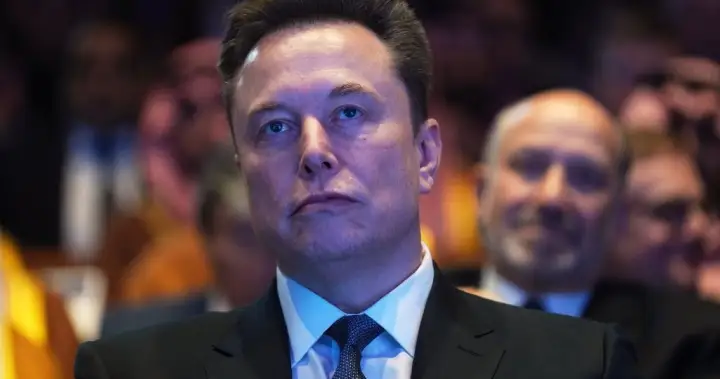
Chief executive Elon Musk used the earnings call to stress a shift in emphasis away from conventional vehicle launches toward automated mobility and robotics. The company said it will end production of Model S and Model X in the second quarter and convert a Fremont, California factory to build Optimus robots.
Tesla also disclosed a roughly US$2 billion investment in Musk’s artificial intelligence company xAI. Executives said the larger capital plan will fund AI development, robot manufacturing, and new vehicle concepts including a two-seat Cybercab with no pedals or steering wheel that the company plans to produce in the coming months.
They’ve got aging product that is less and less competitive as other manufacturers come out with new models, then there is the general brand destruction, Musk‘s involvement in politics has turned off customers.
Sam Abuelsamid, Telemetry analyst
xAI’s Grok AI assistant has drawn controversy for echoing Musk’s views on sensitive topics and for instances of problematic output, including sexualized deepfakes. That raises potential regulatory and reputational risks as Tesla ties more of its future to AI development.
Robotaxis, service rollouts and safety steps
Tesla plans to begin robotaxi service in Houston, Miami and five other cities in the first half of the year, and the company has started removing safety drivers in some pilot locations. That move follows earlier trials in Austin, where cars launched with safety supervisors and later operated without them.
Executives acknowledged the program has been cautious, citing the need to avoid mishaps. Investors and analysts remain divided over how quickly fully driverless services can scale and how regulators will respond.
Tesla’s ability to show improving profitability was a surprise.
Seth Goldstein, Morningstar analyst
How investors and analysts are reacting
On Wall Street some traders remain bullish. Wedbush analyst Dan Ives expects a rapid roll-out of robotaxi services and predicts Tesla could capture a dominant share of the self-driving market over the next decade. Others warn that product fatigue, political visibility and a string of missed deadlines could weigh on demand.
Musk’s attention is another variable. He has returned focus to Tesla after a period of political involvement, but he also plans a possible SpaceX initial public offering this year, an event that could both create a major windfall and divert his time.
What to watch next
- Execution of the Fremont factory conversion to Optimus robot production
- Progress and regulatory approval for partial and full self-driving features in key markets
- Rollout of robotaxi services in announced cities and safety records from those pilots
- Integration and oversight issues related to Tesla’s investment in xAI
- Quarterly revenue from energy storage and margin trends as capital spending increases
Tesla’s plan to double down on AI and robots represents a high-stakes bet: large up-front spending now for technologies that could reshape transportation and care services later. The company reported improving margins and strong energy-storage sales, but shrinking vehicle profits and heightened reputational risk make execution critical.
TeslaElon MuskAIrobotaxielectric vehicles