Three Canadian housing markets defy the national downturn
While national home prices slipped, Quebec City and Regina kept rising and Toronto continued to cool. Here’s what is driving those divergent trends.
Copy link
By Torontoer Staff
National home values fell again in December, but a handful of local markets are moving against the broader trend. Data from Wahi and Real Property Solutions show the national home price index dipped 1 per cent last month, while Quebec City and Regina posted strong gains and Toronto recorded steeper declines.
Wahi economist Ryan McLaughlin says three patterns emerged through 2025: persistent declines in British Columbia and Ontario, slowing growth across the Prairies, and continued strength in Quebec. Real estate professionals in Quebec City, Toronto and Regina described how those forces are playing out on the ground.
Quebec City: supply shortages and shifting buyer behaviour
Quebec City led Canada with a 12 per cent year-over-year increase through 2025. Brokers attribute the run-up to a chronic supply shortage and relatively affordable prices compared with larger urban markets.
Marc Lefrançois, a broker with Royal LePage Tendance, says the city’s absorption rate — the share of listings sold each month — sits around 50 per cent, well above a typical 15 to 18 per cent range. That imbalance is keeping upward pressure on prices.
Quebec City will continue to outperform other Canadian cities in 2026, supply simply cannot meet current demand.
Marc Lefrançois, Royal LePage Tendance
Lefrançois also points to a cultural shift after COVID-19, with more residents opting to buy rather than rent following years of steep price and rent growth. The combination of tight inventory and sustained demand is allowing prices to climb despite weakness elsewhere.
Toronto: deeper slump amid falling population and rents
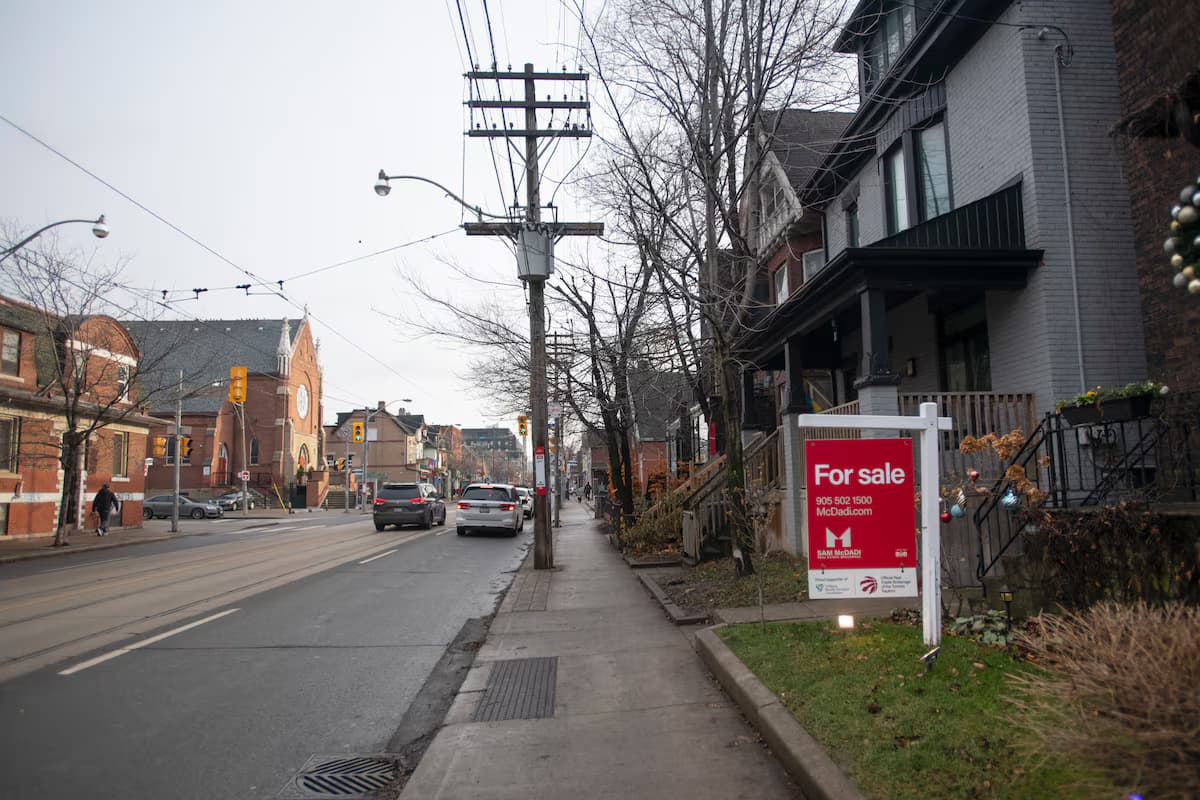
Toronto’s market weakened further in December, with home prices down about 6 per cent year over year. The decline accelerated from earlier in the year, when drops were closer to 3 per cent.
McLaughlin points to several structural headwinds: lower immigration flows, a shrinking national population and falling rents. Those factors are reducing demand and pressuring sellers to lower prices to close deals.
A war of attrition is being fought between buyers and sellers, and buyers appear to be winning, getting sellers to reduce prices to close sales.
Ryan McLaughlin, Wahi economist
Industry forecasts echo that caution. The Canadian Real Estate Association expects further downward pressure, projecting an additional 4.5 per cent drop in Toronto prices in 2026.
Regina: affordability and scarce listings drive gains
Regina stood out among Prairie centres, showing roughly a 10 per cent year-over-year increase in its home price index. Winnipeg also recorded strong growth at about 9 per cent, while Saskatoon and Calgary slowed significantly.
Low listings are a major factor in Regina. Peter Fourlas, a realtor with Coldwell Banker Local Realty, says the city has about one quarter of the inventory it would normally expect, boosting competition among buyers.
Regina currently has roughly a quarter of the listings it would normally have.
Peter Fourlas, Coldwell Banker Local Realty
Affordability is another draw. Regina’s home price index is near $367,000, well below Quebec City’s roughly $514,000, making it attractive for buyers priced out of larger markets.
McLaughlin cautions that Prairie strength may not be permanent, noting that Alberta showed softness after earlier high growth. That pattern could foreshadow slower activity in some Prairie markets over time.
What to watch in 2026
- Inventory trends, particularly new listings in Quebec City and Regina, which will determine whether gains continue.
- Immigration and population changes, which directly influence demand in Toronto and other large centres.
- Rents, since declining rental rates can reduce investor interest and pressure for-sale prices.
- Regional economic shifts, such as job growth in Prairie provinces, that can sustain or reverse recent momentum.
The national decline masks divergent local dynamics. Quebec City and Regina are posting strong gains driven by tight supply and relative affordability, while Toronto faces deeper adjustments tied to weaker demand. Observers say the next year will hinge on inventory levels and demographic trends more than on a single national narrative.
real estatehousing marketQuebec CityTorontoRegina