Toronto handled this week’s 88.4 cm without the army. Here’s why that differs from 1999.
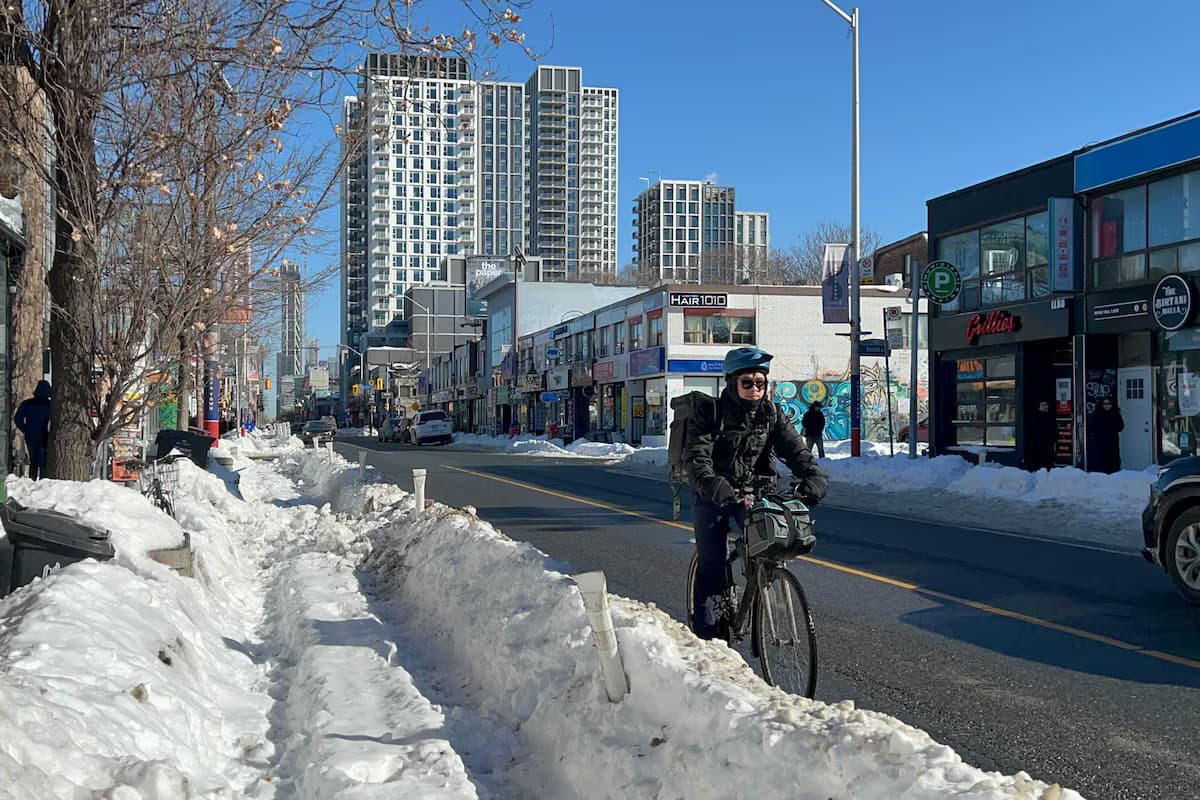
Toronto did not call in the Canadian Armed Forces to clear this week’s 88.4 cm of snow. The city points to improved plans, formal federal requests and new surge capacity.
Copy link
By Torontoer Staff
Toronto did not request help from the Canadian Armed Forces to clear this week’s 88.4 centimetres of snow. City officials say improved winter plans, clearer protocols and on-the-ground surge capacity make a federal deployment unnecessary.
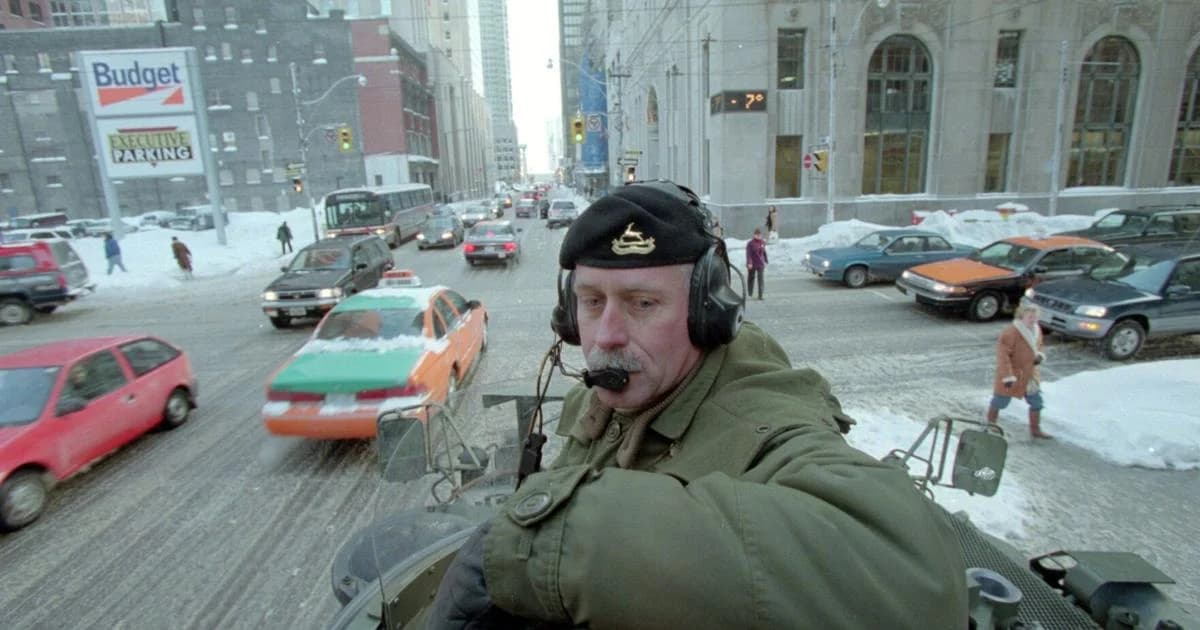
That contrasts with the city’s response to a blockbuster storm in January 1999, when then-mayor Mel Lastman asked the federal government for troops to help remove more than 100 centimetres of snow. The decision sparked national ridicule at the time, and it still frames debates about when military assistance is appropriate for municipal emergencies.
What happened in 1999
Lastman requested federal help amid fears emergency vehicles could not navigate Toronto’s streets after a massive storm. Hundreds of soldiers were placed on standby, roughly 60 stayed to assist with emergencies, and equipment including dump trucks, a snowblower and a loader were provided to city crews.
The move drew sharp criticism from other media outlets and political opponents. Some argued municipal crews should have handled the work. Supporters pointed to immediate public safety concerns and calls from residents who could not reach hospitals.
Mel was very compassionate. He always said years after, 'If I didn’t do it and someone died, I would have been beside myself.'
Coun. Mike Colle
Why the army was an option then
Several factors made a military deployment more likely in 1999. Toronto had just amalgamated six municipalities, meaning winter plans were not yet integrated. City leaders were concerned about immediate threats to public safety. Lastman also had direct lines to federal cabinet figures, which sped a request for equipment and personnel.
Why the city is not calling the military now
City officials say their current response model is different. Operations begin with expressways and arterial roads to ensure access for first responders and critical services, then move to transit routes, collectors and residential streets. The city also has surge capacity, with staff and equipment on standby to target early removal at TTC stops, hospitals and bridges.
I don't think we need to bring in the army.
Mayor Olivia Chow
City manager Paul Johnson said crews focused on plowing on day one, with large-scale snow removal — trucking piles to storage and melting sites — planned to ramp up the following day. Officials say that sequencing reduces the need for outside personnel.
Formal protocols and federal roles
Procedures for requesting military assistance are now more formal than they were in 1999. Municipalities request help from their province or territory first. If that level cannot cope, the province can request federal support. The federal government then evaluates requests before committing the armed forces.
If the city or province determines that additional support is needed and requests federal assistance, the government of Canada stands ready to help.
Soraya Lemur, spokesperson for the federal Minister of Emergency Management and Community Resilience
Officials say those interdepartmental checks exist to ensure military resources are used only when civilian capacity is exceeded and to coordinate logistics across jurisdictions.
How Toronto’s current approach compares
Municipal winter operations now prioritise critical routes and use staged removal to maintain movement and emergency access. The city also invested in equipment, contracted removal capacity and planning since the late 1990s. Councillors who worked through the 1999 storm say practices have improved substantially.
That snowstorm was the biggest we had in years. They really didn’t have a plan because we had just recently amalgamated… I guess Mayor Lastman panicked and called the army in.
Coun. Frances Nunziata
Comparative responses elsewhere show a range of approaches. Italy used soldiers for snow clearing in Milan in 2009, and the New York National Guard assisted in parts of the U.S. after extreme storms in 2014. Those deployments tend to follow provincial or state-level requests and assessments of wider infrastructure risk.
When might federal help be considered
- When municipal and provincial resources are overwhelmed and public safety is at risk
- When critical infrastructure is threatened and coordinated heavy equipment is required
- When the province formally requests federal assistance after assessing local capacity
City officials maintain the current storm response does not meet that threshold. For now, Toronto is relying on its revamped winter plan, targeted removal operations and contracted support to restore regular services.
The 1999 deployment remains a reference point in debates about municipal emergency powers and intergovernmental coordination. The difference this week comes down to planning, process and a view among officials that current capacity can manage the task.
TorontosnowMel Lastmansnow removalmunicipal services