Toronto overhauls winter operations after last year’s 53 cm storm, deploys surge plan for Thursday snowfall
After last February’s 53 cm dump, Toronto adopted a surge plan, new equipment, a year‑round winter unit and tech fixes to speed snow clearing.

Copy link
By Torontoer Staff
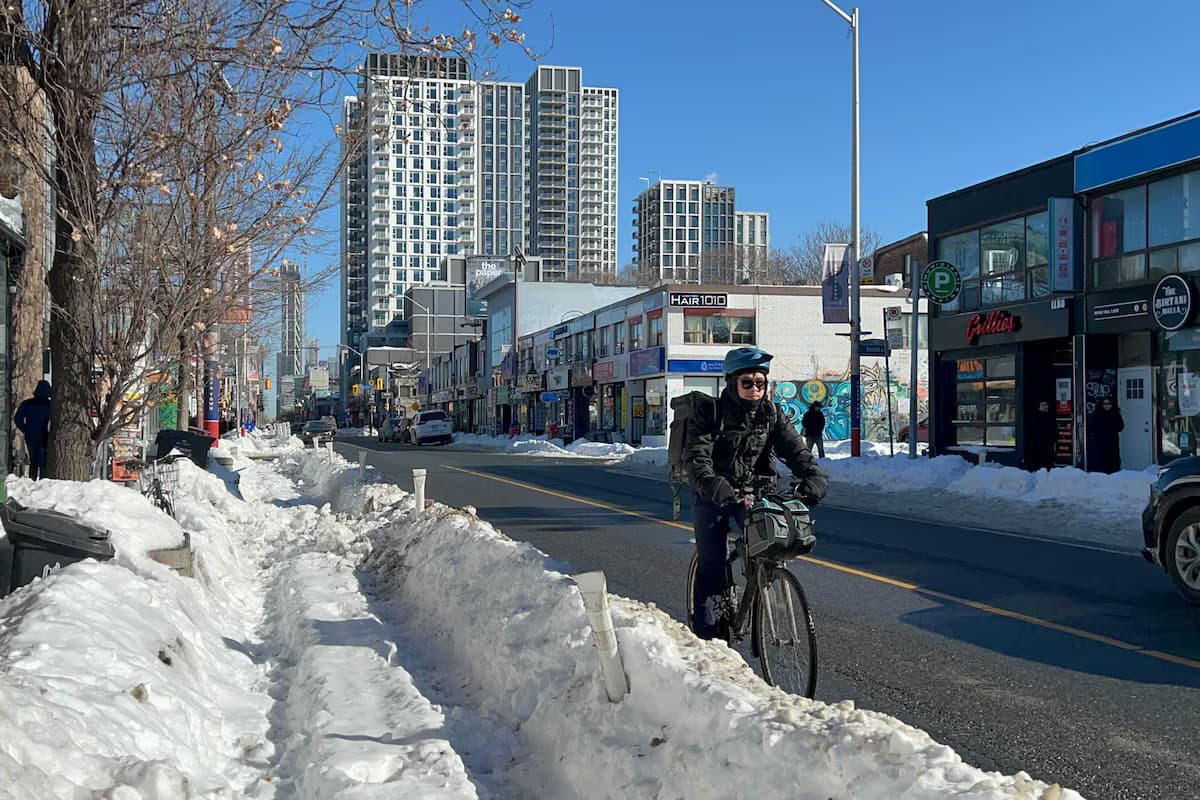
Toronto implemented a suite of operational changes after last February’s 53 cm storm, and city officials put many of those changes into action during Thursday’s comparable snowfall. The city said it had 1,300 staff and contractors clearing roads, with additional resources on standby under a new surge plan.
City managers stress the reforms focus on better coordination and use of existing resources rather than the full, costly option recommended by consultants last year. That option would have required roughly $130 million to hire standing staff and hold equipment in reserve.
Surge plan and staffing
The city finalised a surge plan last month that sets out how to escalate clearing efforts as storms intensify. The plan allows up to 200 additional city staff and 75 pieces of equipment from across departments to be redeployed to ploughing, inspecting contractor routes and towing cars illegally parked on snow routes. By comparison, officials said the municipality deployed about 50 extra staff during last year’s storms.
We’re also deploying 100 more staff from other (city) divisions to assist with snow clearing in priority areas. That number will increase as needed.
Mayor Olivia Chow
City officials said the surge plan will be reviewed after the winter season to assess performance and identify further adjustments.
Equipment purchases and maintenance
Toronto expanded its fleet and maintenance capacity. Recent purchases include five new ploughs bought for testing at a combined cost of $467,158, six front-end loaders for $1.7 million, 12 snow blowers for $1.9 million and two snow melters for $2.4 million.
Officials acknowledged some sidewalk ploughs remain the same models that encountered issues last year, but said they have increased maintenance staffing, extended shop hours and stockpiled parts to speed repairs.
We have our mechanics staffed up and we also have surge protection around parts. We have extended maintenance hours so that repairing ploughs, if needed, can be done more quickly.
Will Johnston, deputy city manager
Snow removal thresholds and priorities
The city changed the trigger for active snow removal in constrained areas. Previously, removal began when piles caused blockages or when storage on streets reached capacity. This winter, removal is to begin after 8 cm accumulates in areas with limited storage that could affect safety, transit or emergency access.
PlowTO and technology fixes
Toronto repaired several long-standing issues with its public snowplough tracker, PlowTO, including the system’s inability to distinguish between salting and ploughing. The map now offers a snapshot of certain services, such as road, sidewalk and cycling ploughs and salters, but it still excludes some winter activities, including snow removal, windrow clearing and bus-stop ploughing.
City staff plan further PlowTO upgrades this year to provide more comprehensive and route-level information.
Year‑round winter unit and coordination
City council approved a dedicated winter operations unit staffed year round. The unit comprises 18 positions, 10 of them newly created and eight repurposed, at an estimated cost of $1.3 million. Myles Currie, a former city employee, was appointed acting director of winter and seasonal services.
The reporting structure is cleaner, more streamlined. The key difference this time is we’re co‑ordinated and we’re collaborating.
Mayor Olivia Chow
The unit operates from a central command hub and is charged with year-round planning, mapping, training, contract oversight and interdivisional drills. Officials say the hub has improved coordination with agencies such as the TTC, so crews clear adjacent areas in sequence to avoid creating windrows.
Enforcement and 311 operations
Fines for vehicles blocking streetcar tracks during a major snowstorm declaration have increased from $200 to $500. The city can declare a major snowstorm condition or a significant weather event, typically when more than 25 cm falls. Declarations suspend routine service standards, expand snow removal and establish designated snow routes, mostly downtown and along streetcar corridors.
The $100 penalty for cars parked on other snow routes remains unchanged. City staff said they are working with police to accelerate towing on snow routes to facilitate removal.
Officials also changed how 311 handles storm-related requests. The service will not be fully suspended during major declarations. Instead, the city will triage calls, increase 311 staffing as needed and allow councillors to escalate issues directly to the winter operations unit.
Contractor oversight and GPS monitoring
Private contractors carry out much of Toronto’s winter maintenance under contracts signed in 2022 that run until 2029 and could be worth up to $1.5 billion. The contracts do not specify service levels, such as minimum crew sizes or equipment inventories, which limits the city’s ability to enforce resourcing standards.
Provincial legislation also requires the city to suspend service standards after a major snowstorm declaration, which reduces the value of prescriptive contract terms during extreme events. The city has begun testing an updated GPS dashboard to track contractors, while also using physical inspections and traffic cameras to verify performance.
What changed at a glance
- Surge plan allows up to 200 extra staff and 75 pieces of equipment to be redeployed
- New fleet purchases include ploughs, loaders, snow blowers and melters
- PlowTO fixed to distinguish salting from ploughing, further modernisation planned
- New year‑round winter unit with central command and 18 positions
- Fines for cars blocking streetcar tracks raised to $500
- 311 will be triaged and kept operational during major events
- GPS dashboard updates and increased contractor monitoring
City officials say the changes stop short of the most expensive option consultants recommended, but that better coordination, more equipment and improved oversight should shorten clean-up times and reduce the operational problems witnessed after last year’s storms.
Torontowintersnowmunicipal governmentOlivia Chow