Toronto crews are still hauling and melting snow from a record January storm, moving contaminated piles to municipal storage sites while staff and contractors work around the clock. The city is balancing the practical need to clear roads and sidewalks with the environmental consequences of storing and treating salted, polluted snow.
Nearly 1,500 city employees and private contractors are now focused on relocating heavy, bulky street snow to five designated sites, including a large operation at a Downsview yard where excavators feed snow into a melting machine that vents a steady plume of steam.
How the city is moving and melting snow
Initial efforts after the storm prioritised ploughing to make streets and sidewalks passable. The current phase involves trucking snow away from curbside piles and tipping it at secured municipal yards where machines speed up melting and reduce the footprint of storage.
Toronto clears snow from 14,700 lane-kilometres of roads, 7,900 kilometres of sidewalks, and 486 lane-kilometres of cycle lanes and trails. The volume and weight of urban snow require continuous crews and large equipment, especially after an event of this scale.
A costly, round-the-clock effort
The Downsview site has been operating 24 hours a day to keep up with deliveries. Trucks offload onto a 30-metre mound, where excavators feed the snow into melting units. The city limits public information about the other sites to protect security and to discourage illegal dumping.
We do not provide the locations of all sites for security reasons, as well as to prevent illegal snow dumping by the public or private companies.
Alexandra Dinsmore, City spokesperson
Despite those precautions, some private operators have left tracks on adjacent roads and dumped snow in medians, adding to the clean-up burden and the risk to watercourses.
Environmental trade-offs
Snowbanks act as urban sponges, retaining road salt, motor oil and trace metals from vehicle exhaust. Toronto typically uses about 130,000 tonnes of road salt in a normal winter, and increased salt use has led to rising chloride levels in groundwater and streams.
Traces of chloride show up in groundwater and streams. Because of increased salt use and larger areas of roads and parking lots, we have been seeing increasing chloride at most of the sites we monitor.
Lyndsay Cartwright, Toronto and Region Conservation Authority research scientist
Historically, large quantities of snow were dumped in low-lying sites along the Don Valley, a practice ended in the mid-2000s. Current sites are sited away from major watercourses when possible, and projects such as the Port Lands Flood Protection initiative aim to improve river water quality.
Policy choices and capacity
Maintaining a year-round, large-scale snow-clearing fleet would be expensive. The city must weigh the cost of readiness for rare, extreme storms against budgets and other service priorities.
We could size up the operation for the worst possible occurrence, which would mean tens or hundreds of millions of dollars more in the snow-clearing budget each year, and then have a system that, most years, doesn’t get used. We’ve made a different choice.
Shoshanna Saxe, associate professor, University of Toronto civil and mineral engineering
What residents should expect
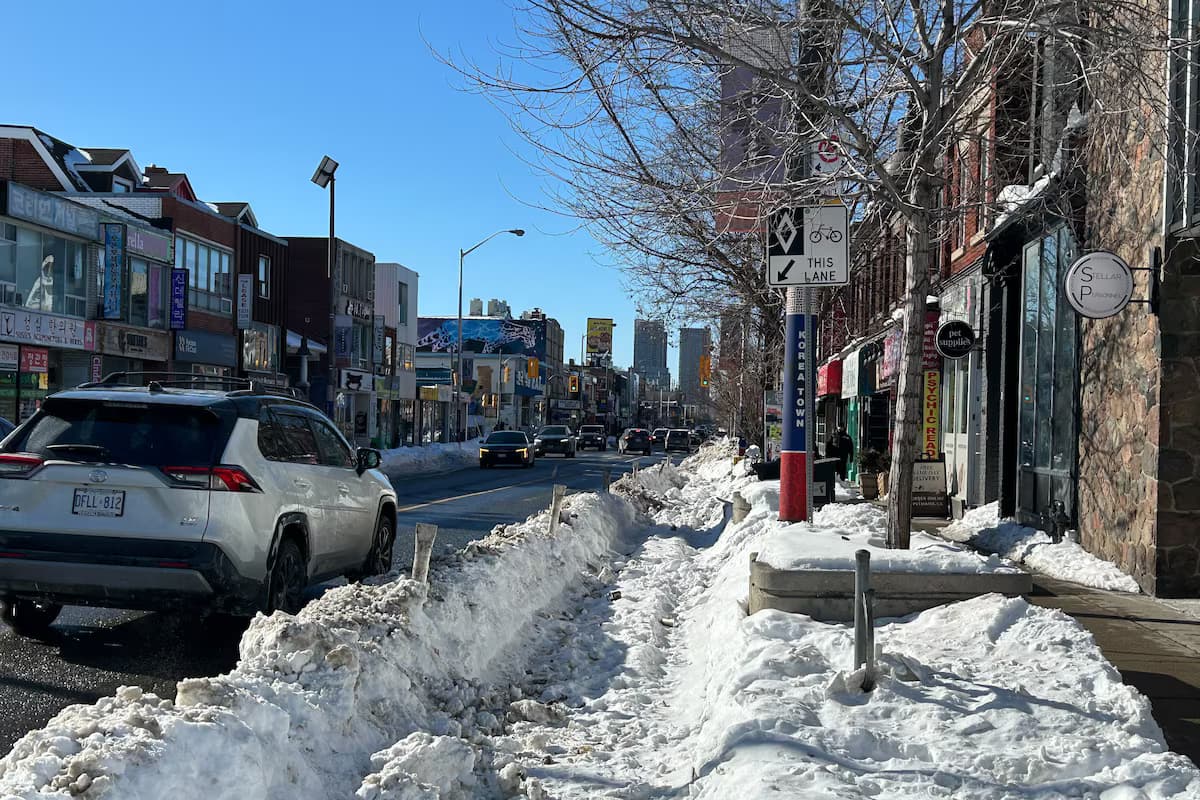
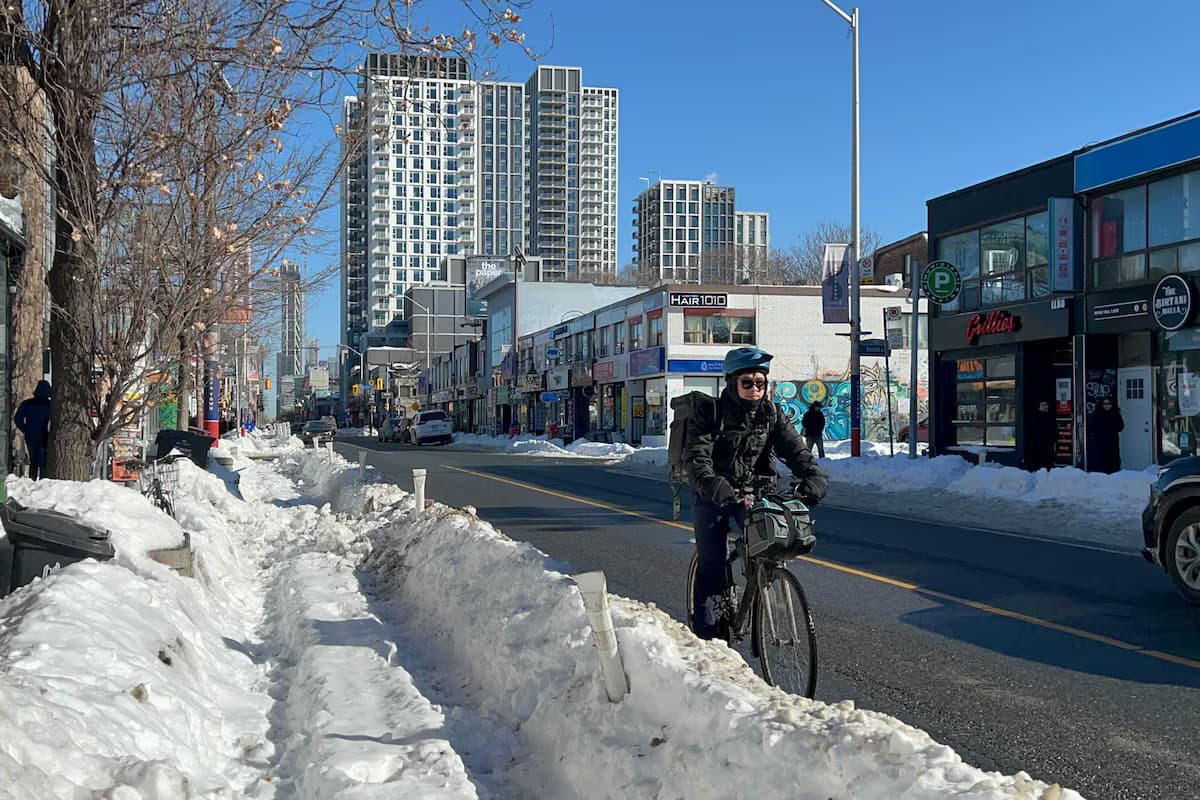
Sidewalks and cycle lanes remain constrained in many neighbourhoods. In some areas crews have cut narrow trenches through packed snow that are passable on foot, but difficult for people using wheels. Streets with parked cars still show snow piles up to two metres high between vehicles.
- Allow extra time for walking and cycling on narrowed paths.
- Watch for temporary parking restrictions as streets are cleared and trucks access storage sites.
- Be prepared for intermittent noise and steam plumes near melting facilities.
Local concerns about access and the pace of clearing are prompting debate among residents and politicians. The scale of the storm has exposed the limits of municipal capacity and the environmental trade-offs of snow storage and disposal.
Looking ahead
Crews will continue moving and melting snow until neighbourhoods return to typical winter conditions. City officials say the operation reflects a balance between practical service delivery, budget constraints, and environmental safeguards around sensitive waterways.
The cleanup illustrates the complexity of managing urban winter weather, from frontline labour and heavy equipment to choices about where and how to treat contaminated snow. Residents should expect staged progress and occasional disruptions as the city completes the work.