Trump prioritizes fear over honour, and it carries a cost
Trump equates international respect with power and fear rather than honour. That approach can raise political costs, weaken alliances and erode trust.
Copy link
By Torontoer Staff
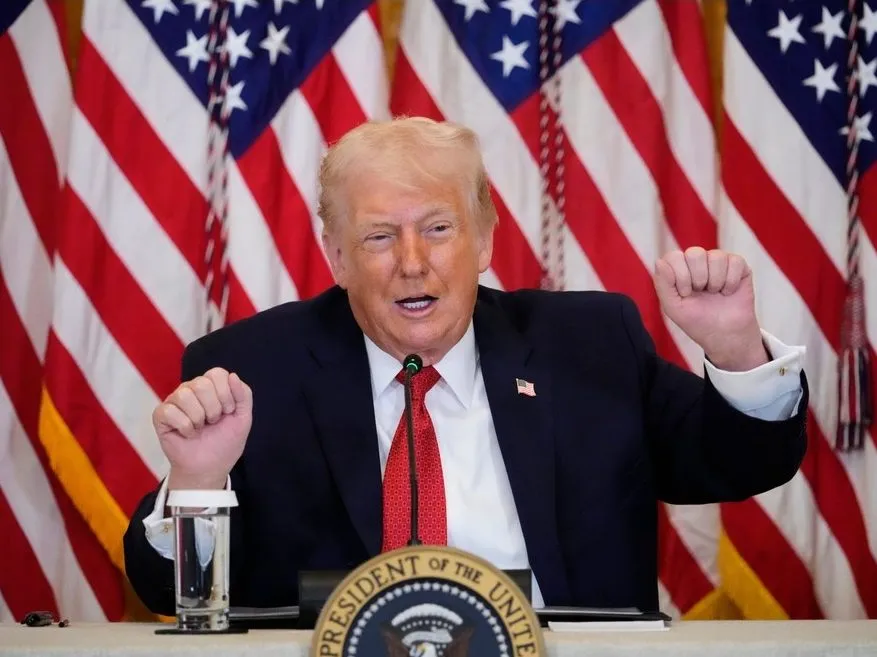
Donald Trump defines international respect primarily as power and fear, rather than honour or reliability. That view reshapes how the United States negotiates, fights and keeps promises, and it has measurable political and diplomatic consequences.
The contrast matters because states, like companies or individuals, rely on trust and reputation. When leaders treat commitments as leverage instead of obligations, allies pay attention and adapt their behaviour accordingly.
Respect as power, not honour
In public statements and private accounts, Trump and some advisers frame foreign policy in terms of strength. They argue that being feared produces respect. Stephen Miller summed up that mindset, saying, “the real world is governed by strength … is governed by force … is governed by power. These are the iron laws of the world that have existed since the beginning of time.”
That interpretation treats diplomacy like a marketplace where the largest bidder wins. It ignores a second dimension of international life: honour, meaning a reputation for keeping promises and adhering to norms. Honouring commitments creates predictable expectations and lowers the long-term costs of cooperation.
Why honour matters in practical terms
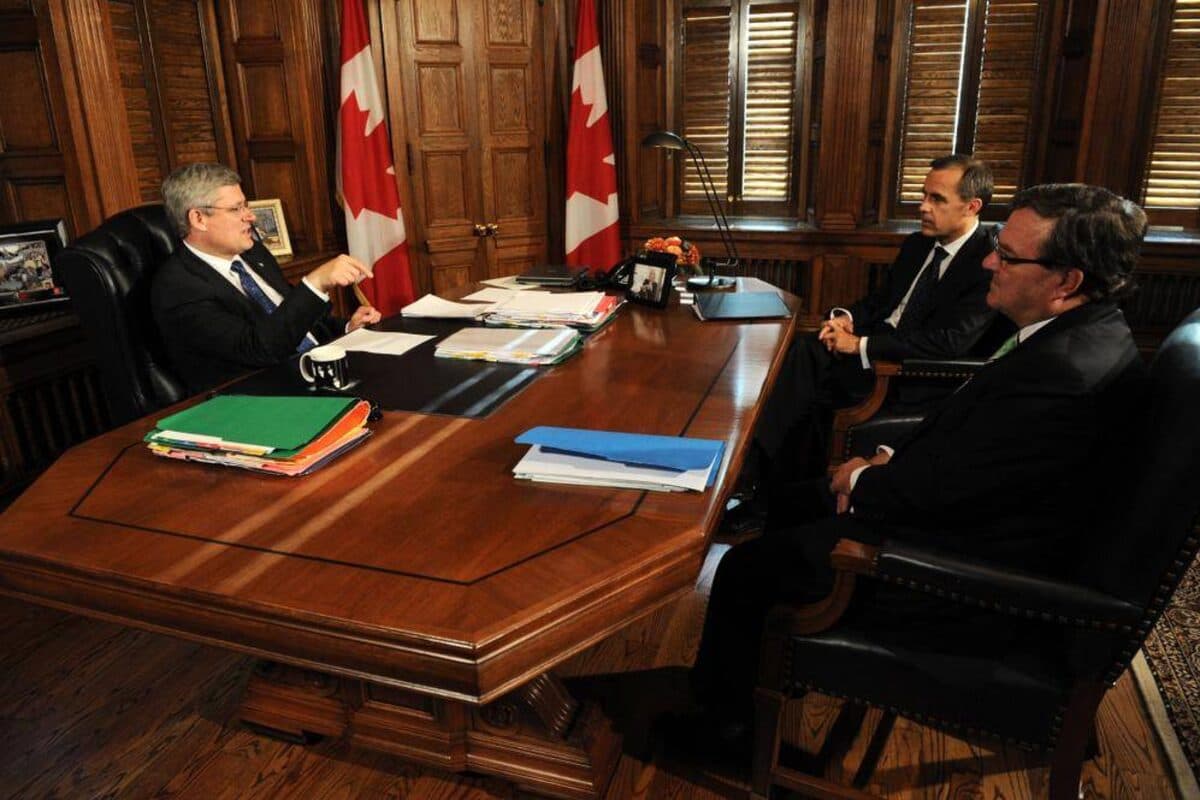
A decade ago, a prominent investor told me, “integrity lowers the cost of capital.” The point applies to states as well as markets. Reliable behaviour reduces uncertainty. Allies that expect partners to follow through are likelier to cooperate, pooling political and military resources in ways that a fearful but unreliable power cannot replicate.
integrity lowers the cost of capital.
a prominent investor
When a country treats alliances as negotiable or transactional, partners look for alternatives. They hedge, diversify and in some cases decouple. The immediate appearance of strength can produce short-term gains, but the long-term effect is higher political and diplomatic costs.
The Greenland example and the limits of coercion
Recent talk about seizing Greenland illustrates the trade-off. Military coercion could secure territory, but it would break commitments and alienate allies, diminishing the moral standing that underpins many international arrangements. St Augustine put the idea bluntly, asking, “Justice being taken away, then, what are kingdoms but great robberies?”
George Washington and James Monroe emphasised honour as statecraft. Washington urged fidelity to commitments, and Monroe wrote, “National honour is national property of the highest value.” Those framings treat reputation as strategic capital, not mere sentiment.
National honour is national property of the highest value.
President James Monroe
What this means for allies and adversaries
An approach that privileges coercion shifts calculations across the board. Allies grow wary. Adversaries test limits. Neutral parties reassess trust. The result is a more transactional international order where commitments carry conditional value rather than being dependable foundations for cooperation.
- Allies may reduce reliance on a partner perceived as unpredictable.
- Adversaries may push boundaries to measure resolve rather than negotiate.
- Neutral states may pursue greater autonomy or align with different blocs.
Those consequences are not hypothetical. Diplomatic relationships and security arrangements rest on expectations. If one party treats those expectations as tools rather than principles, the bargaining landscape changes.
A final note on virtue and strategy
Power matters. So does displaying the capacity to use it. Strategic realism has a place in policy. The question at the centre of current debates is whether a foreign policy that elevates fear above honour buys genuine security, or whether it substitutes short-term leverage for the durable benefits of reputation and reciprocity.
Aristotle linked true honour to virtue rather than mere glory. States that balance strength with principles are better positioned to command not only fear, but also genuine respect. The difference affects how other countries respond, and it shapes the costs of leadership in the long term.
If integrity does lower costs in markets, the same dynamic applies to international politics: honour simplifies cooperation, reduces friction and preserves options. Leaders who treat commitments as tools of convenience may win isolated gains, but they risk paying a higher price in trust and lasting influence.
Trumpforeign policyhonourinternational relationsopinion