Trump’s Greenland fixation and what it reveals about shifting US strategy
The Greenland episode shows how one president’s offhand comments can unsettle long-standing international expectations and complicate relations with allies, including Canada.
Copy link
By Torontoer Staff
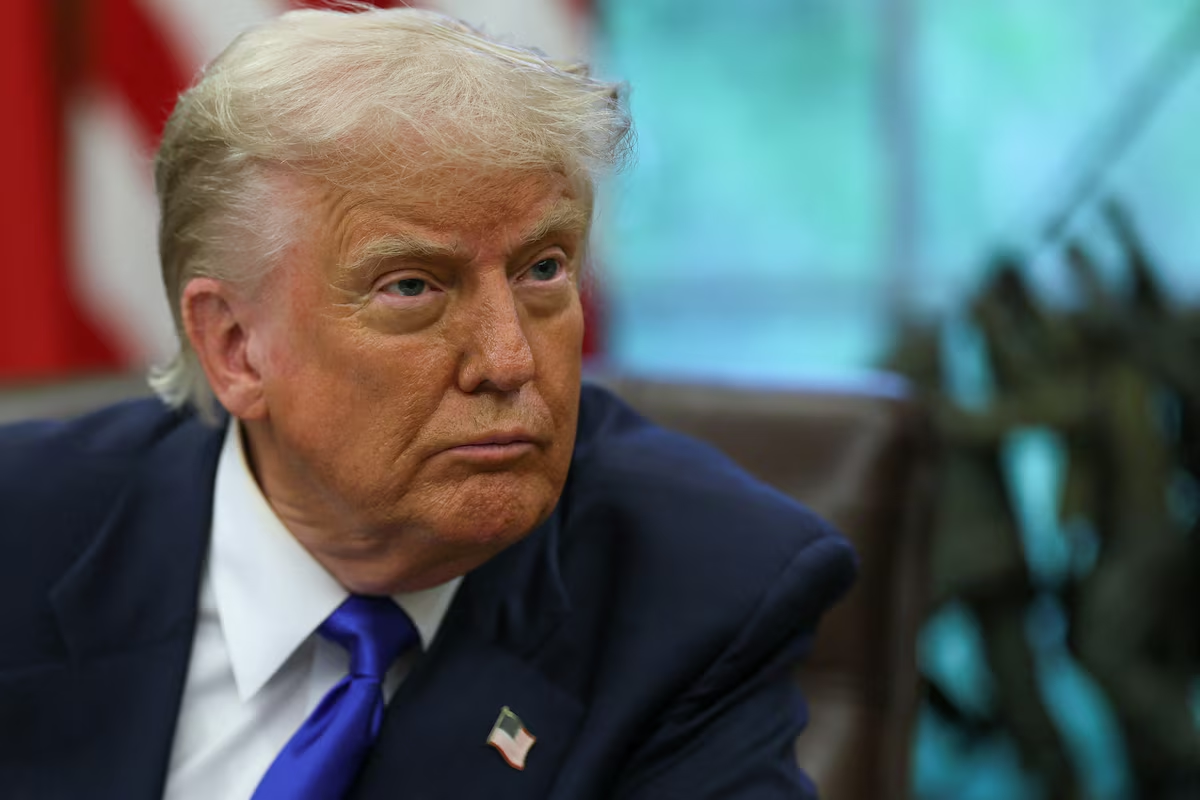
President Donald Trump’s recent focus on Greenland has become more than an odd footnote. His public musings about acquiring the territory and threats of tariffs against European allies underline a larger shift in how the United States approaches strategy, trade and long-standing partnerships.
What began as an unscripted remark has forced NATO partners, Canadian officials and business leaders to reassess assumptions about U.S. predictability and the practicalities of northern geopolitics. The episode highlights how personalised, headline-driven decision making now influences discussions about territory, resources and security.
A departure from precedent
Greenland matters for historical and strategic reasons. During the Second World War the island’s location made it a valuable weather station and transit point. In 1946 the Truman administration explored buying Greenland for strategic reasons. That conversation made sense in an era before satellites and NATO. Today, the sudden suggestion of purchasing or otherwise asserting control over Greenland feels out of step with decades of diplomatic practice.
The broader pattern is familiar. Since his second inauguration, Mr. Trump’s posture toward allies has been more transactional and less institutionally anchored. Threats of tariffs against long-time partners, public criticism of NATO spending, and abrupt policy statements have introduced fresh uncertainty into alliances that helped shape the post-war international order.
Practical limits on exploitation
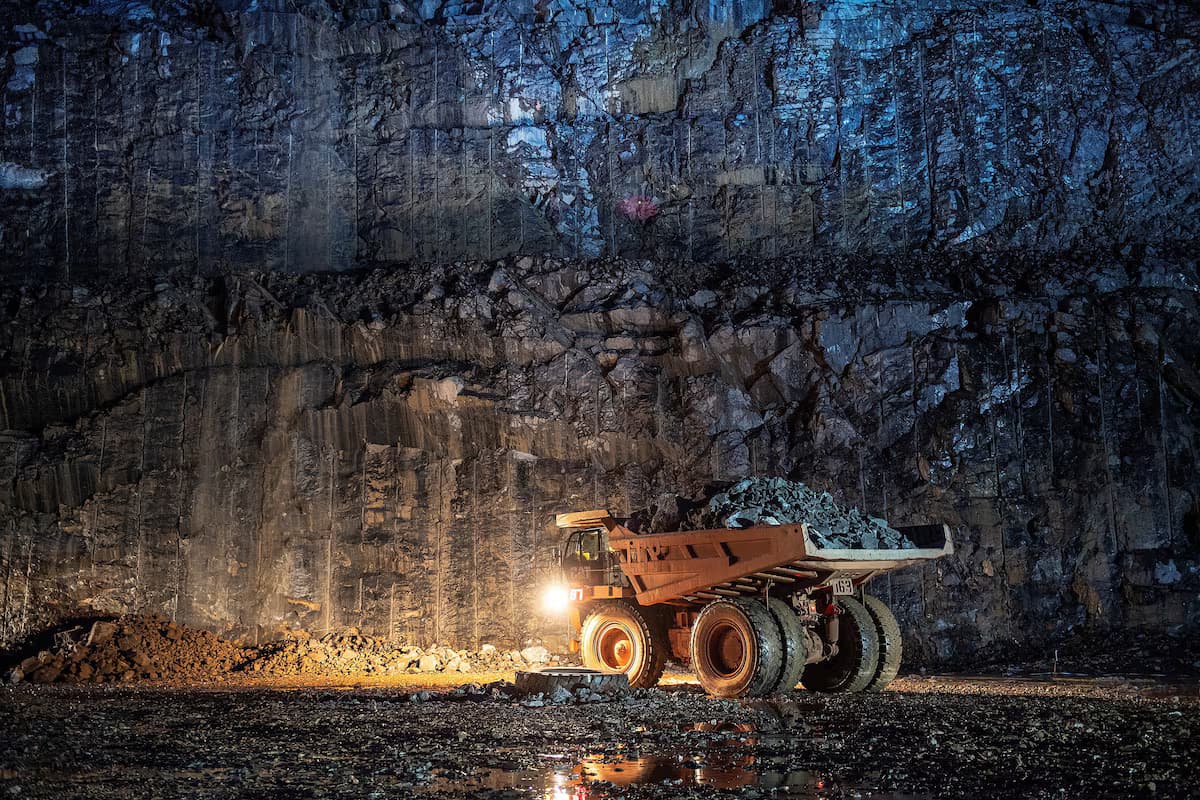
Talk of Greenland’s mineral wealth and strategic value often overlooks logistical realities. Mining on the island faces severe challenges including extreme cold, limited infrastructure and a small skilled workforce. That makes large-scale resource extraction expensive and technically difficult.
There are few roads, no electrical grid and a small skilled work force, big mining is not happening in a place where it is minus-30 degrees, it is dark most of the year, and the fjords freeze over.
Paul Bierman, University of Vermont geologist
Those constraints do not negate strategic concerns. Climate change is opening Arctic sea lanes and increasing interest from Russia and China in the region. For Washington, any perceived gap in northern security can prompt debate about posture and presence.
Signals for allies and trade
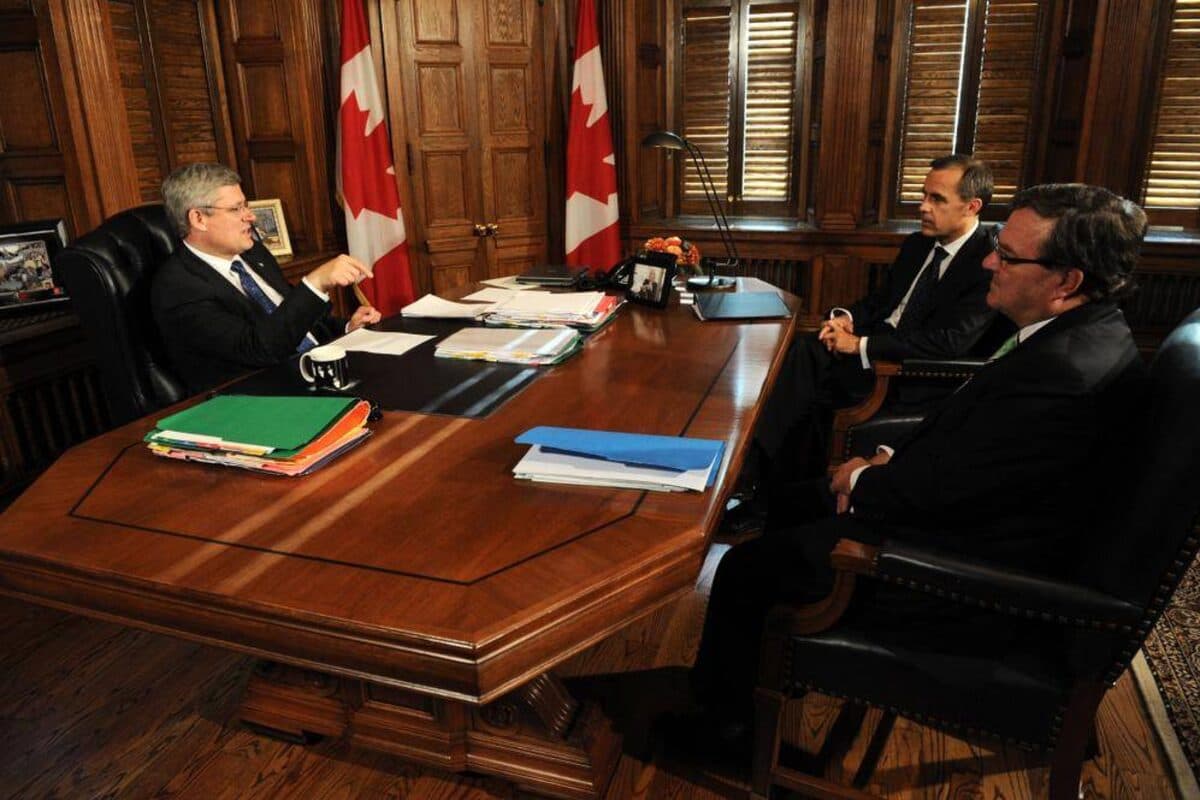
The Greenland episode has pushed allies into awkward positions. Denmark, which governs Greenland through an autonomous arrangement, and Canada have been drawn into public discussions about Arctic security and sovereignty. Ottawa considered sending troops to Greenland as a demonstration of NATO solidarity. Those conversations underscore how U.S. rhetoric can pull partners into diplomatic responses and force policy reviews.
At the World Economic Forum in Davos, the administration’s messaging has alternated between free market rhetoric and punitive trade measures. That mix unsettles businesses and international attendees because it signals unpredictability in how economic relations will be handled going forward.
Implications for Canada and the North
For Canadians, the episode has immediate resonance. Canada has deep Arctic interests and long-standing security arrangements with the United States. Public threats to negotiate over territory and the use of tariffs as leverage prompt Ottawa to reassess trade strategies and northern defence planning. The conversation also feeds domestic debates about Arctic infrastructure and sovereignty.
At the same time, Greenland’s residents and Danish authorities control most practical decisions on the island. Any external pressure to alter those arrangements would encounter legal, political and local resistance.
What the episode reveals about decision making
The Greenland episode illustrates how modern international relations increasingly respond to rapid, often public-facing decision making at the executive level. Offhand remarks can become policy questions, provoking diplomatic responses and market reactions. That dynamic blurs the line between personal political signalling and formal strategy.
Allies now factor in rhetorical volatility when planning trade, defence and diplomatic moves. That adds a layer of contingency to long-standing partnerships and can accelerate investment decisions, contingency planning and public posturing.
A practical takeaway
For policymakers and business leaders, the key lesson is to account for rapid messaging as a variable in strategic planning. For the public, the episode is a reminder that geopolitics can change quickly and that practical realities, like Greenland’s infrastructure challenges, often constrain headline-driven ambitions.
Ultimately, the Greenland conversation is less about immediate acquisitions and more about how the United States now signals priorities and exerts influence. Those signals matter for allies in Canada and Europe, for Arctic communities, and for global markets that respond to perceived shifts in strategy.
TrumpGreenlandforeign policyCanadaNATO