Trump shares AI image of Greenland and Canada under U.S. flag as Davos visit approaches
President Trump posted an AI image depicting Greenland and Canada beneath an American flag, renewing talk of a Greenland takeover ahead of his Davos visit and drawing international rebukes.
Copy link
By Torontoer Staff
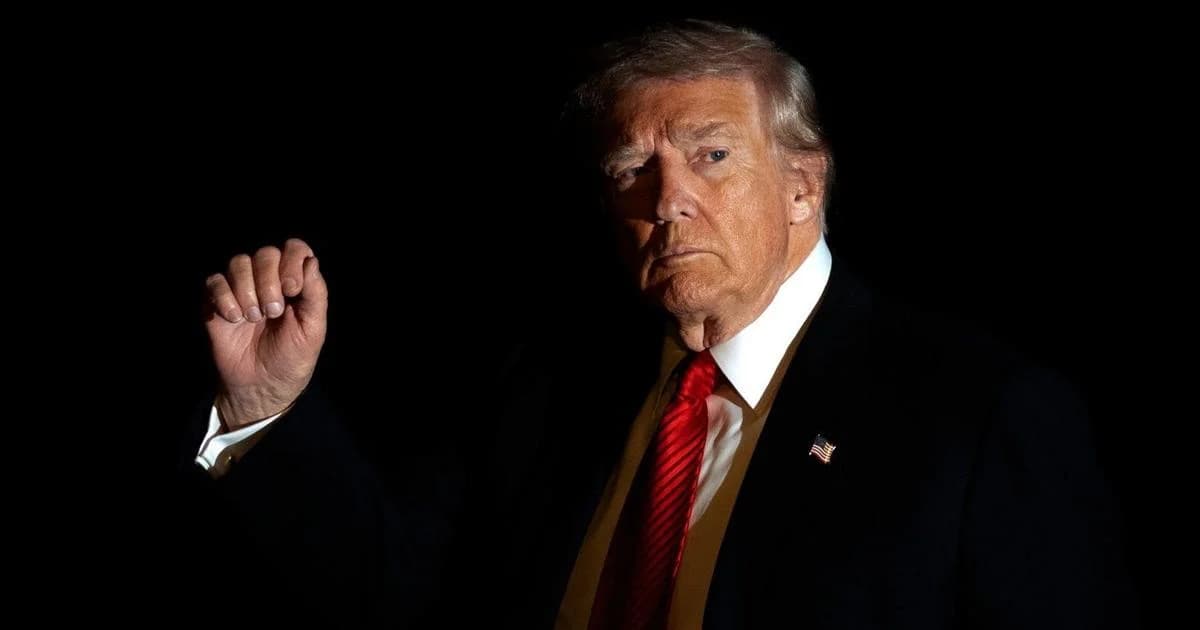
President Donald Trump posted an AI-generated image showing Greenland and parts of Canada beneath a large American flag, renewing public talk of a Greenland takeover as he heads to the World Economic Forum in Davos. The post came amid a flurry of social media messages focused on Greenland and statements that critics say amount to veiled pressure on European and Arctic partners.
The image and accompanying posts landed hours before Trump was due to speak in Davos and meet other world leaders. Senior international figures, including the European Commission president and the French president, publicly pushed back against the tone and the related tariff threats.
What Trump posted and how he framed it
Trump shared the AI image on his platform, Truth Social, in the early hours and followed with posts that repeated long-standing suggestions about U.S. interest in Greenland. The posts revived a line of commentary from his administration that frames Arctic territory in strategic and economic terms, and they coincided with renewed mention of tariffs on European countries that protest any U.S. moves toward Greenland.
The use of an AI-generated image sharpened reactions because it presented an exaggerated visual of U.S. control over territory that is politically and legally under the sovereignty of Denmark and the self-governing people of Greenland.
European and Canadian responses
European leaders reacted quickly. European Commission president Ursula von der Leyen called the tariff threat "a mistake," saying it raises questions about trust after prior U.S. assurances against new tariffs. French president Emmanuel Macron used his World Economic Forum address to denounce the approach in stronger terms.
"Accepting a new colonial approach does not make sense."
Emmanuel Macron
Macron framed the issue as part of a broader concern about U.S. trade conduct that, he said, risks subordinating Europe. He also said he would use France's upcoming G7 presidency to bolster cooperation among democracies and to demonstrate constructive leadership on contested issues.
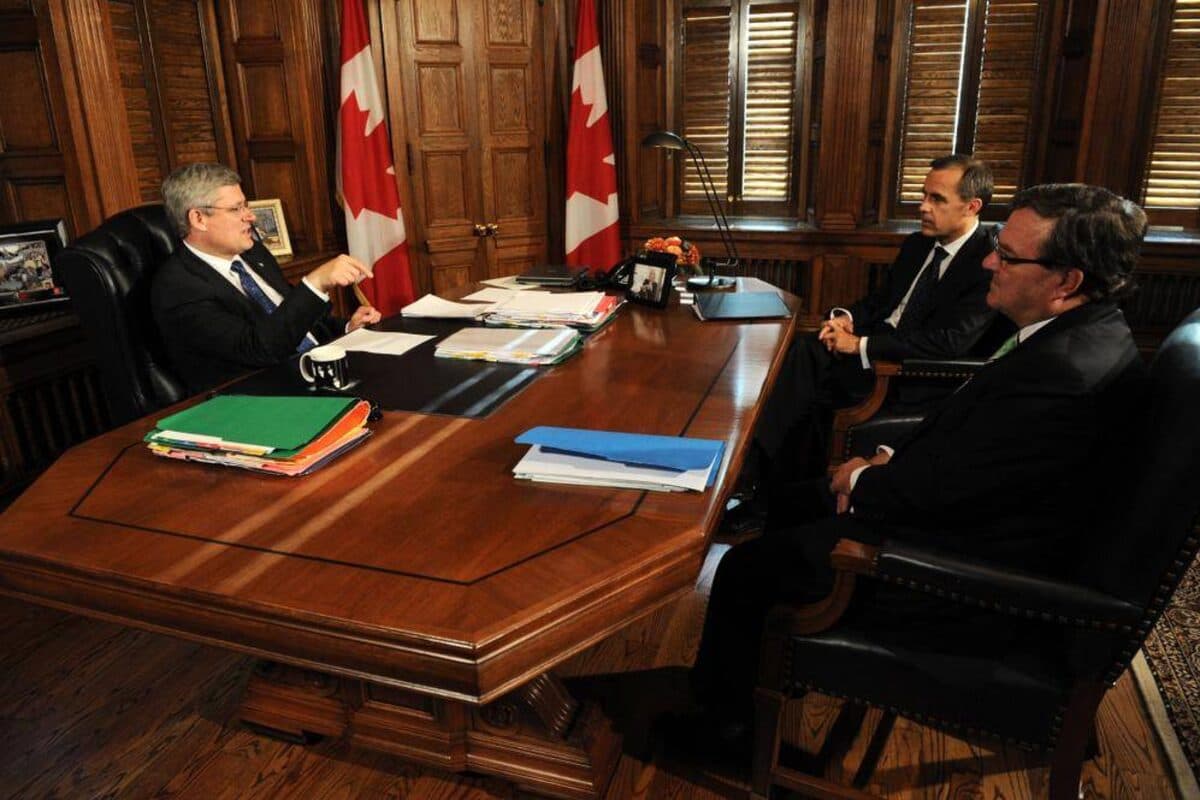
In Ottawa, Prime Minister Mark Carney described himself as "concerned" about the rhetoric and said he would raise the matter with Trump if they meet in Davos. The Prime Minister's Office released a readout of a conversation between Carney and U.K. Prime Minister Keir Starmer, saying both leaders reaffirmed that Greenland's future is a matter for its people and for Denmark.
Security and Arctic policy implications
The row is not just diplomatic posturing. Carney and other NATO partners have been outlining military investments and infrastructure work intended to strengthen Arctic defence, and those plans have been part of Canada’s public messaging on regional security. Moscow and Beijing have also shown growing interest in Arctic routes and resources, making any escalation over territory more geopolitically sensitive.
Allies interpreted Trump's tariff comments as leverage meant to change the political calculus. European officials said that trading pressure for territorial concession would set a dangerous precedent and risk long-term cooperative frameworks on defence, trade and climate in the Arctic region.
What to watch at Davos
- Whether Trump and Carney meet, and if Greenland is raised in their discussion
- Any follow-up public statements from the U.S. administration clarifying the image or tariff intentions
- Responses from Denmark and Greenlandic leaders, who are officially the decision-makers on Greenland’s status
- Statements from other G7 leaders about trade and territorial sovereignty during and after the forum
Davos will give leaders a narrow window to diffuse tensions or to harden positions. For Canada, the immediate priority is affirming Arctic sovereignty and defence investments, while keeping diplomatic channels open with European allies and with the United States.
Media and the role of AI images
The incident also underscores how AI-generated media can shift political conversation. Political imagery that blends satire, projection and propaganda can spread quickly and influence perceptions before official lines are published. Governments and media outlets will likely press for clearer standards on how such material is labelled and contextualised during diplomatic disputes.
For now, the image has become the latest flashpoint in a broader debate about Arctic sovereignty, trade leverage and the tools leaders use to projecting policy aims. At Davos, those debates will play out publicly and in private bilaterals.
This report was first published Jan. 20, 2026, and includes reporting from The Canadian Press and The Associated Press.
TrumpGreenlandDavosWorld Economic ForumCanadaArctic policy