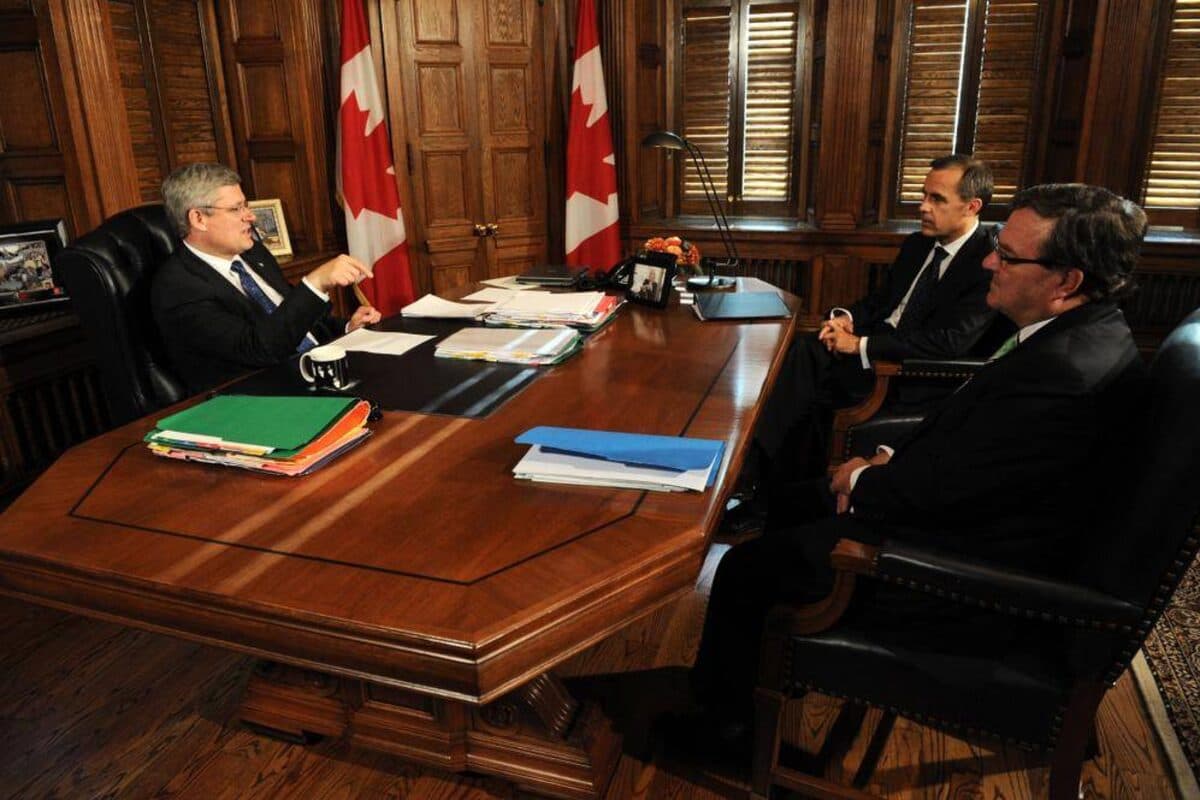
Trump sues JPMorgan and Jamie Dimon for $5-billion over alleged 'debanking'
Donald Trump filed a Miami-Dade lawsuit seeking at least $5 billion, accusing JPMorgan and CEO Jamie Dimon of cutting off banking services for political reasons. The bank denies the claims.
Copy link
By Torontoer Staff
Donald Trump filed a lawsuit in Miami-Dade County state court seeking at least US$5 billion, accusing JPMorgan Chase & Co. and its CEO, Jamie Dimon, of refusing banking services to him and his businesses for political reasons. The complaint alleges trade libel, breach of the implied covenant of good faith and fair dealing, and a violation of Florida’s deceptive trade practices law by Dimon.
JPMorgan pushed back, saying it does not close accounts for political or religious reasons and that account closures result from legal and regulatory risk. The bank added it has urged administrations to change rules that put banks in difficult positions.
What the lawsuit claims
The complaint frames 'debanking' as an issue of broad public interest. It accuses the bank of trade libel, arguing JPMorgan made false or damaging statements that harmed Trump and his businesses. It also asserts the bank breached an implied duty of good faith in its banking relationship, and says Dimon violated Florida consumer protection law.
Debanking is a matter of public interest and significant importance to all consumers and businesses in the United States of America — and JPMC, especially given its storied and leading history, is a central actor in this ongoing and troubling saga.
Excerpt from the complaint
JPMorgan's response and the bank's posture
JPMorgan said the lawsuit lacks merit and reiterated that account closures are driven by legal or regulatory risks. The bank said it regrets having to close accounts for those reasons and that it has asked multiple administrations to change requirements that force such decisions.
We do close accounts because they create legal or regulatory risk for the company. We regret having to do so but often rules and regulatory expectations lead us to do so.
JPMorgan Chase statement
In November, the bank disclosed it was facing reviews, investigations and legal actions tied to the broader debate over so-called debanking. JPMorgan said it supports government efforts to prevent the weaponization of banking, while asking for clearer regulatory guidance.
How this fits into the broader 'debanking' debate
Trump has repeatedly targeted banks he says refuse services for ideological reasons, and the new suit follows related litigation by the Trump Organization against Capital One. The administration has made debanking a policy focus, and some banks have publicly acknowledged increased scrutiny and legal exposure around account closures linked to customer politics or speech.
Legal experts say these cases will test the boundary between a bank’s risk-management duties and consumer protections that bar discrimination based on political views. Banks point to anti-money-laundering rules, sanctions compliance and other regulatory obligations as common reasons for terminating relationships.
Potential consequences for consumers and businesses
If courts accept claims that political considerations unlawfully motivated account closures, banks could face new limits on how they manage customer relationships. That could prompt changes in bank procedures, compliance practices and how regulators draw the line between legitimate risk controls and prohibited discrimination.
At the same time, banks may argue that interfering with their ability to manage legal and reputational risk would undermine compliance with anti-money-laundering and sanctions regimes. Any ruling will likely balance those competing interests and could take years to resolve through appeals.
Next steps and what to watch
The lawsuit was filed in state court in Florida and could prompt discovery into internal bank decisions and communications. The complaint reviewed by Bloomberg was not immediately available in court electronic records. The White House did not immediately respond to requests for comment.
Observers should watch for court rulings on standing and the sufficiency of the libel and deceptive-practices claims, along with any regulatory reactions. The case adds to a string of litigation testing how the financial sector balances compliance obligations with protections for customers' political expression.
The suit signals a continued, high-profile legal battle over debanking. Regardless of the outcome, the case is likely to shape how banks, regulators and policymakers approach account closures tied to politics and speech.
TrumpJPMorganbankinglawsuitdebankingJamie Dimonfinance