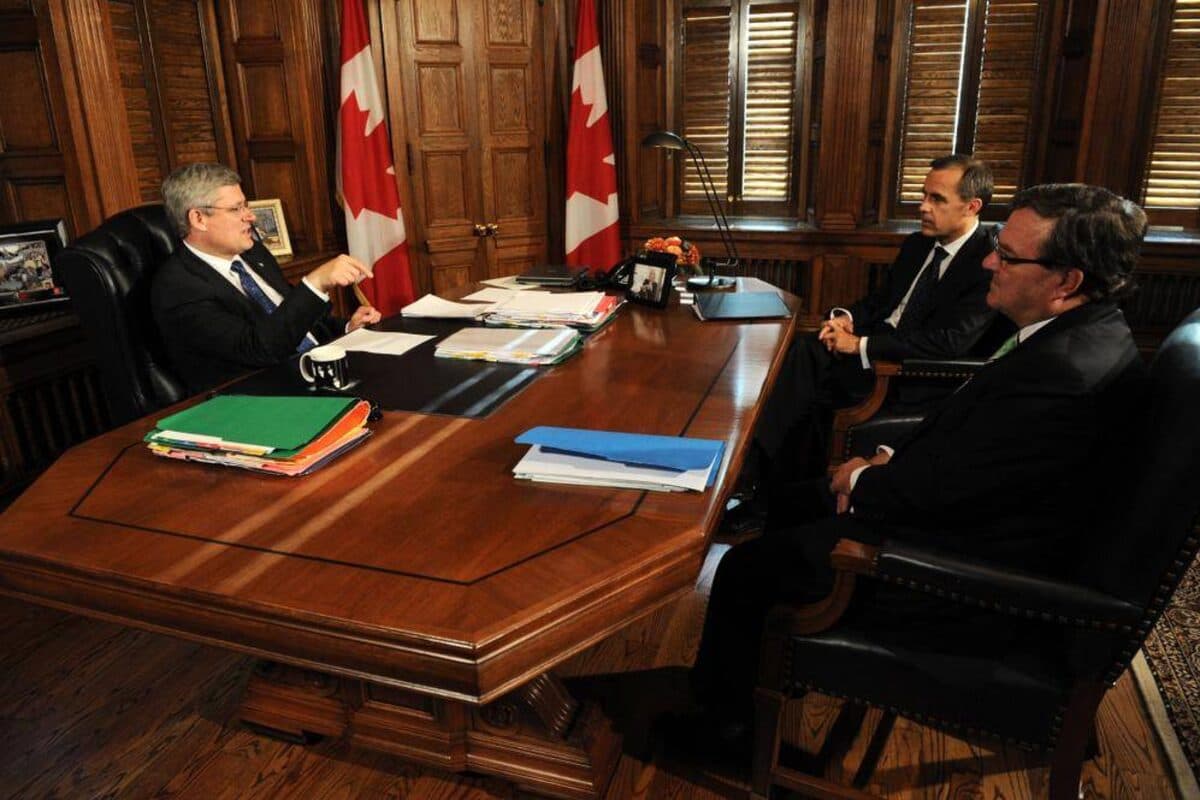
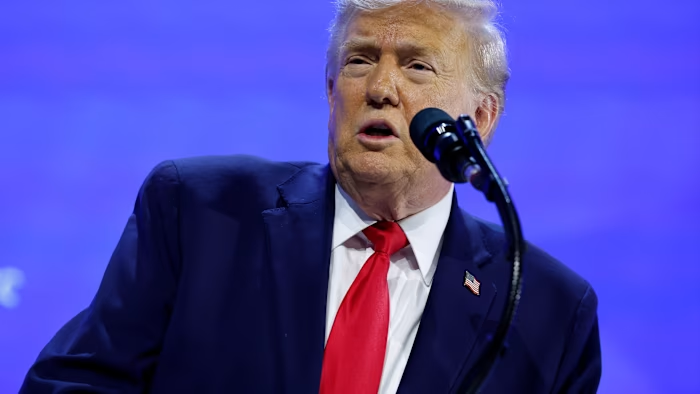
Trump sues JPMorgan, Jamie Dimon for US$5 billion over alleged debanking
Donald Trump and several Trump-branded businesses sued JPMorgan Chase and CEO Jamie Dimon, seeking at least US$5 billion, saying the bank closed accounts for political reasons.
Copy link
By Torontoer Staff
Donald Trump sued JPMorgan Chase and its chief executive Jamie Dimon in a Miami-Dade County state court, seeking at least US$5 billion in damages. The complaint alleges the bank closed accounts linked to Trump and his businesses after he left office in 2021 for political reasons.
Filed Thursday, the suit accuses the bank of distancing itself from Trump and affiliated companies because of what it calls "unsubstantiated, 'woke' beliefs," and of placing the former president and his entities on a so-called blacklist. The plaintiffs say JPMorgan notified them on February 19, 2021 that several accounts would be closed within two months, causing financial and reputational harm.
What the lawsuit alleges
The complaint argues JPMorgan made a unilateral decision to sever banking relationships based on political and social motivations, and that the bank and Dimon orchestrated an effort to exclude Trump from financial services. It alleges the bank created a list of individuals and entities deemed non-compliant or malfeasant and that Trump and his companies were placed on it at Dimon's direction.
Trump and the businesses named in the suit say the closures deprived them of ordinary banking services and caused damages, and they seek a minimum of US$5 billion in compensation.
JPMorgan's response and public remarks
JPMorgan issued a statement saying it regretted the suit but believed it had no merit. The bank said it respects the president's right to sue and its own right to defend itself in court.
While we regret President Trump has sued us, we believe the suit has no merit. We respect the president’s right to sue us and our right to defend ourselves — that’s what courts are for.
JPMorgan Chase
The bank added that it does not close accounts for political or religious reasons, and that account closures typically occur when relationships create legal or regulatory risk for the company. JPMorgan has told regulators and administrations it wants clearer rules to avoid being placed in such positions.
Why banks end customer relationships
Banks point to compliance obligations, legal exposure and regulatory expectations as the main drivers of account closures. Enhanced oversight of certain customers can make relationships commercially unworkable, and institutions may decide to exit those relationships.
- Politically exposed persons, or PEPs, trigger additional anti-money-laundering checks because of heightened risk.
- Suspected suspicious activity or failure to meet compliance standards can prompt termination.
- Connections to sanctioned jurisdictions or controversial industries, such as marijuana, increase regulatory scrutiny.
- Reputational risk and the cost of maintaining high-risk accounts can lead banks to close them.
Political and legal context
The lawsuit arrives amid broader tensions between Trump and parts of the financial sector over access to banking after his presidency. JPMorgan disclosed in November that government authorities were investigating whether the bank provided fair access to customers.
The case follows a recent public moment in which Jamie Dimon praised some of Trump’s observations at the World Economic Forum in Davos, saying the president had correctly pointed out weaknesses in Nato and Europe and that he was rebalancing trade relationships. Dimon also warned that proposals like capping credit card interest rates would be an "economic disaster."
I’m not a tariff guy in general, and I think capping interest rates on credit cards would be an economic disaster.
Jamie Dimon, World Economic Forum, Davos
Trump has pursued multiple legal actions since returning to the presidency, targeting media organisations and private parties in suits that critics say are part of a broader strategy to confront perceived opponents. The Department of Justice has rejected claims of political interference by prosecutors handling related matters.
What comes next
The Miami-Dade County court will now determine whether the complaint can proceed. JPMorgan has indicated it will defend itself, and the case could prompt discovery into internal bank policies and communications about account closures.
More broadly, the litigation could renew debate about the balance between banks’ compliance obligations and customers’ access to basic financial services. Regulators and lawmakers have been urged to clarify rules that force banks to choose between legal exposure and serving certain clients.
Until the court rules, the claims will remain allegations. The lawsuit lays out a high-stakes test of how financial institutions manage politically sensitive relationships and how far courts will go in policing those decisions.
Donald TrumpJPMorgan ChaseJamie Dimonbankinglawsuitdebanking