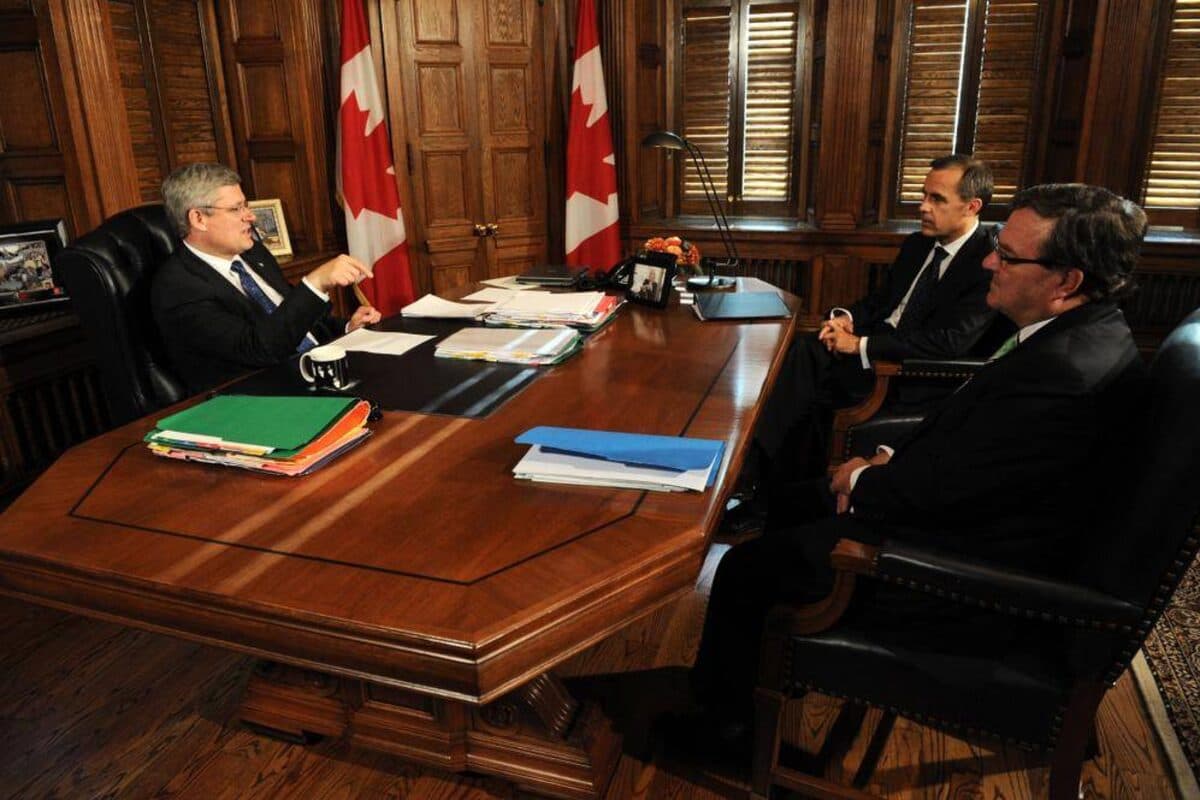
Almost 10,000 federal public servants were told this week that their positions may be affected by cuts, unions representing them said. The notices, called workforce adjustment notices, inform employees their jobs could be changed or eliminated as part of broader spending reductions.
The Public Service Alliance of Canada reported more than 5,000 of its members received notices. Two other unions, the Canadian Association of Professional Employees and the Professional Institute of the Public Service of Canada, said their members were also handed notices, bringing the total near 10,000.
Which departments were affected
- Public Service Alliance of Canada: more than 5,000 members received notices, including 1,172 at Global Affairs Canada, 775 at Transport Canada, 598 at Innovation, Science and Economic Development Canada, and 895 at Health Canada
- Canadian Association of Professional Employees: roughly 2,550 members received notices, including 534 at Employment and Social Development Canada and 103 at Agriculture and Agri-Food Canada
- Professional Institute of the Public Service of Canada: more than 2,700 members received notices
- Notices were also reported at Public Safety Canada, Canadian Heritage, and Immigration, Refugees and Citizenship Canada
What a workforce adjustment notice means
A workforce adjustment notice does not guarantee a layoff. It alerts employees that their roles may be affected by staffing changes, and starts consultations and planning within departments. The unions say the notices increase uncertainty for workers and their families, and it remains unclear how many of those notified will ultimately lose their jobs.
Union warnings on service impacts
Unions argue the loss of staff, especially in science and safety-related roles, will weaken the public service’s capacity to deliver core services and respond to emergencies. They emphasised practical consequences for programs and public safety rather than budget line items.
Public services aren’t just a budget line, they’re a lifeline for communities and families. While the government’s planned cuts may appear to save money, make no mistake, we all pay the price through slower services, longer waits and weaker programs.
Sharon DeSousa, national president, Public Service Alliance of Canada
These are not abstract programs or administrative red tape. These are the experts who prevent oil spills from becoming catastrophes, who ensure dangerous goods don’t explode on our railways, who make sure Canadians can trust weather warnings, and who protect species from extinction. Cutting this scientific expertise puts public safety and the environment at risk.
Sean O’Reilly, president, Professional Institute of the Public Service of Canada
The government’s plan
Ottawa’s comprehensive expenditure review aims to cut roughly $60 billion in program spending and administration costs over five years. The federal budget outlines plans to restructure operations, consolidate internal services and reduce the size of the public service to what it calls a more sustainable level.
- Target to reduce public service jobs by about 40,000 from a 2023-24 peak of 368,000
- Reduction of 1,000 executive positions over the next two years
- 20 per cent cut to spending on management and consulting services over three years
As part of the plan, the government has sent information letters about a voluntary early retirement program to nearly 68,000 public servants who may be eligible. The program would allow workers to retire a year early without a pension penalty, a measure Ottawa says is meant to increase attrition and limit layoffs among younger employees.
Next steps and timing
Departments will continue internal consultations and planning after issuing workforce adjustment notices. The federal budget indicated the early retirement program could be implemented as soon as this month. Unions are preparing to challenge cuts that they say threaten public safety, service delivery and scientific capacity.
For now, the notices mean heightened uncertainty for thousands of public servants across multiple departments. How many positions will ultimately be eliminated, and how that will affect services, will depend on departmental decisions, attrition rates and the uptake of voluntary programs.
The Canadian Press first published this report on Jan. 23, 2026.
The situation remains fluid. Unions and departments are expected to provide further updates as consultations proceed and implementation details for the government’s expenditure review emerge.