What to know about the annual World Economic Forum meeting in Davos
The World Economic Forum’s Davos meeting gathers political leaders, CEOs and experts each January to discuss the global economy, climate, AI and geopolitics. Here’s what to expect and how to follow it.
Copy link
By Torontoer Staff
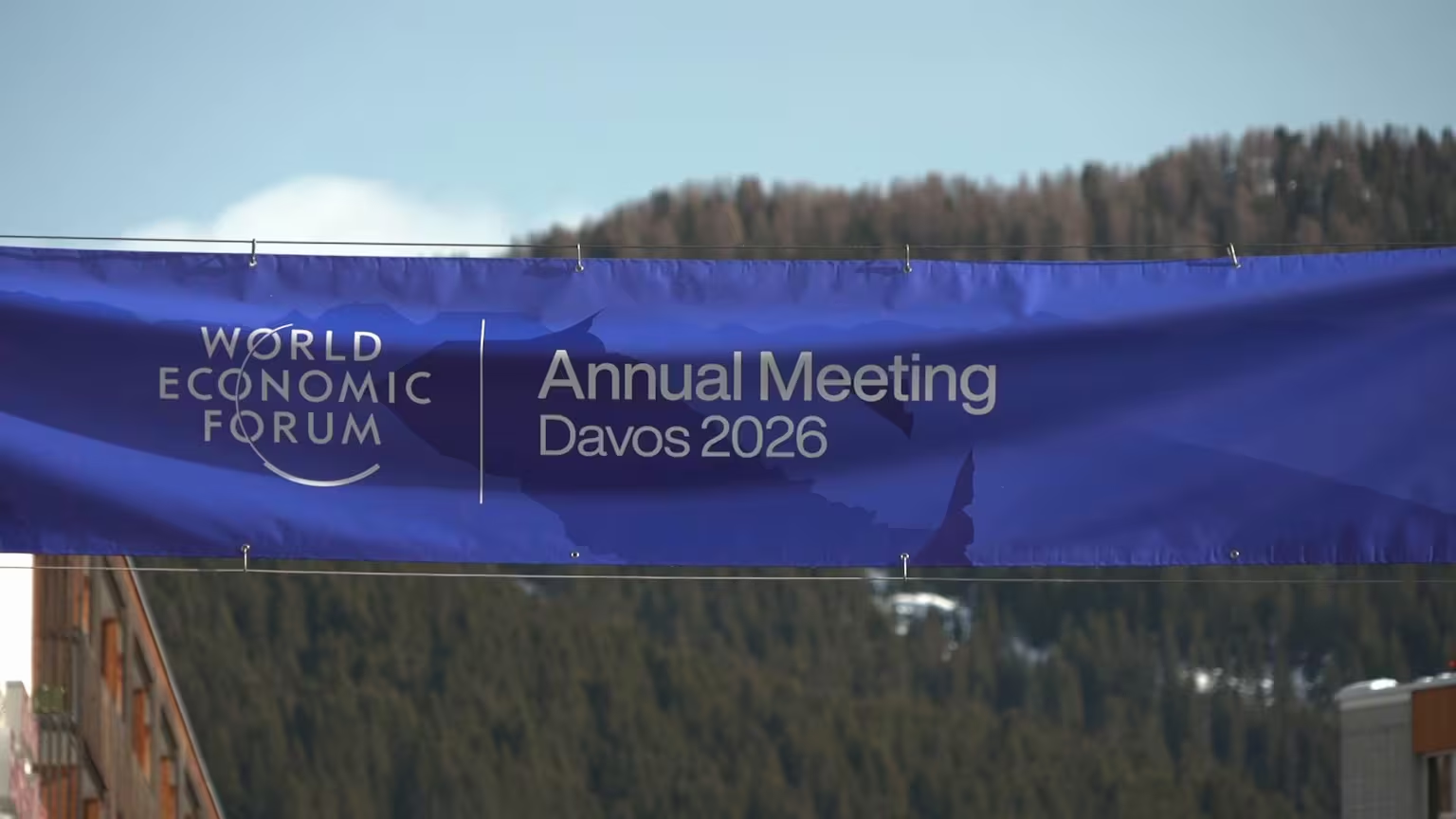
The World Economic Forum’s annual meeting in Davos brings together political leaders, corporate executives, academics and civil society representatives to set the agenda on global economic, climate and technology issues. The event, held each January in the Swiss resort town of Davos, is part summit, part networking hub and part media focal point.
For people outside the hotel conference rooms, Davos matters because it surfaces policy priorities and corporate commitments that ripple through markets, regulators and public debate. It also concentrates attention on hot topics for the year ahead.
How the meeting works
The WEF meeting is a mix of plenary sessions, panel discussions, workshops and private meetings. Official sessions feature heads of state, international organisation leaders and chief executives. Smaller sessions and private gatherings are where deals and behind-the-scenes conversations happen, often shaping public announcements that follow.
Who attends
Attendance is invitation only. Typical participants include government ministers and prime ministers, central bankers, CEOs of major corporations, chief economists, academics, non-profit leaders and select journalists. Startups and cultural figures are increasingly included to diversify perspectives.
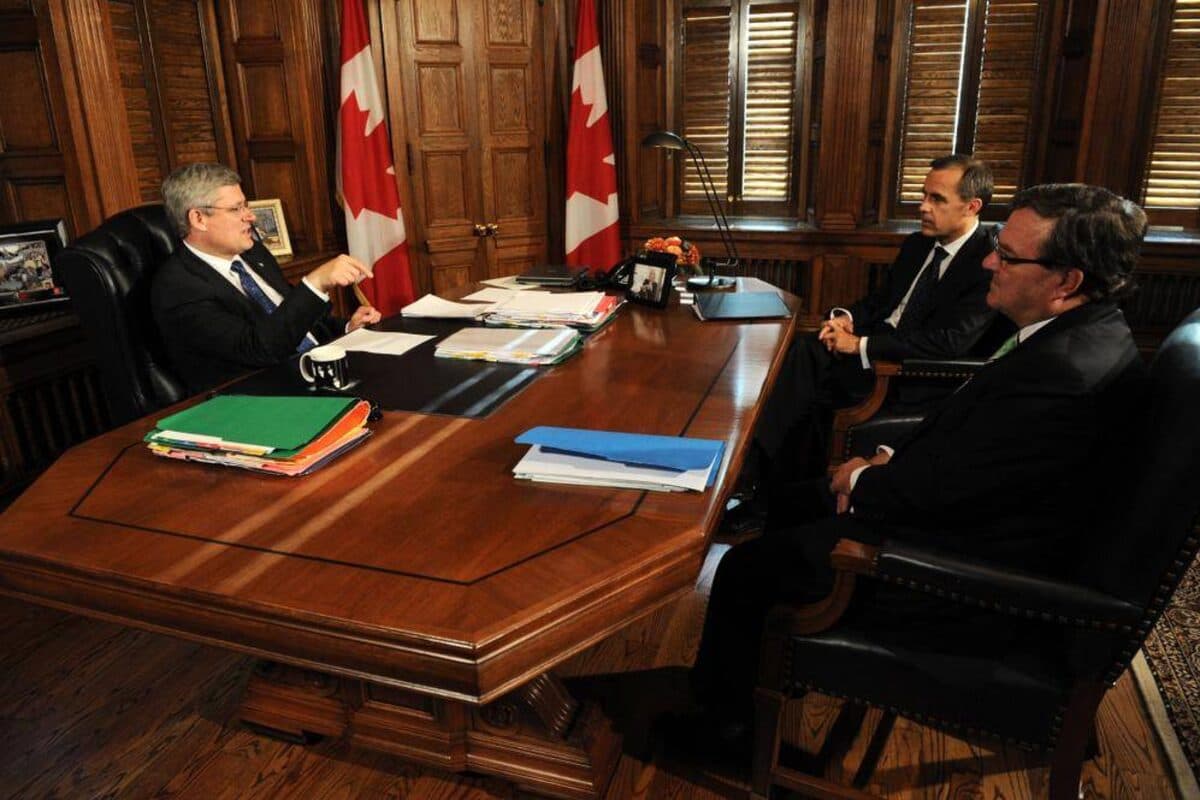
Canadian presence is regular, with federal ministers, business executives and policy thinkers attending to raise issues ranging from trade and energy policy to technology regulation and climate financing.
Top themes to watch
Every year has a few dominant themes. Recent meetings have focused on the global economic outlook, inflation and interest rates, the transition to net zero, and the governance of artificial intelligence. Geopolitical tensions, supply chain resilience and inequality are also normal fixtures on the agenda.
Expect announcements on corporate sustainability targets, public-private funding pledges for climate projects, and policy signals on AI safety and competition. These items often drive coverage and can influence markets and regulatory debates for months.
Committed to improving the state of the world.
World Economic Forum
What it means for Canadians
Davos is a platform for Canadian leaders to pitch investment, coordinate international policy and advocate for national interests. Announcements by major Canadian firms on climate finance, clean technology or trade can gain global traction during the meeting.
Policy discussions at Davos can also influence domestic debates. For example, conversations on AI governance or carbon pricing help shape how Ottawa and provincial governments position themselves on regulation and public investment.
How to follow if you are not there
Most major sessions are streamed online, and the WEF publishes summaries and reports in real time. National broadcasters, business press and major newspapers provide live coverage and analysis. Social media channels from participating leaders and companies also break news quickly.
- Watch the WEF livestream and read the daily briefings on weforum.org.
- Follow federal ministers and Canadian business leaders for country-specific updates.
- Use reputable business and policy outlets for context and analysis rather than only social feeds.
Practical notes for attendees and observers
Security is tight and logistics are constrained. Hotels and meeting spaces fill up early, and local transport is often rerouted. Media accreditation is required for press access to many sessions.
For those on the ground, networking is the main value. For remote observers, the meeting is useful for tracking policy trends, corporate commitments and how global leaders are prioritising risks and investment.
What critics say
Davos draws criticism for its exclusivity and the optics of elite leaders meeting in a luxury resort to discuss inequality and climate change. Organisers respond by highlighting public-private partnerships and initiatives aimed at scaling impact, but scepticism remains among activists and some policymakers.
That tension between high-level conversation and public accountability is a recurring feature of the meeting, and a reason why the outcomes and concrete commitments matter more than rhetoric.
Whether you are tracking policy, markets or corporate strategy, Davos is worth monitoring for early signals on the priorities that will shape the year. Follow official streams and credible analysis to separate announcements with real substance from headline-making soundbites.
World Economic ForumDavoseconomyclimatetechnology