When state violence is filmed: what a Minneapolis video and Sinclair Lewis’s warning tell us
A recent Minneapolis video and official statements revive Sinclair Lewis’s warning about how democracies slide toward authoritarianism when the state executes citizens and rewrites the facts.
Copy link
By Torontoer Staff
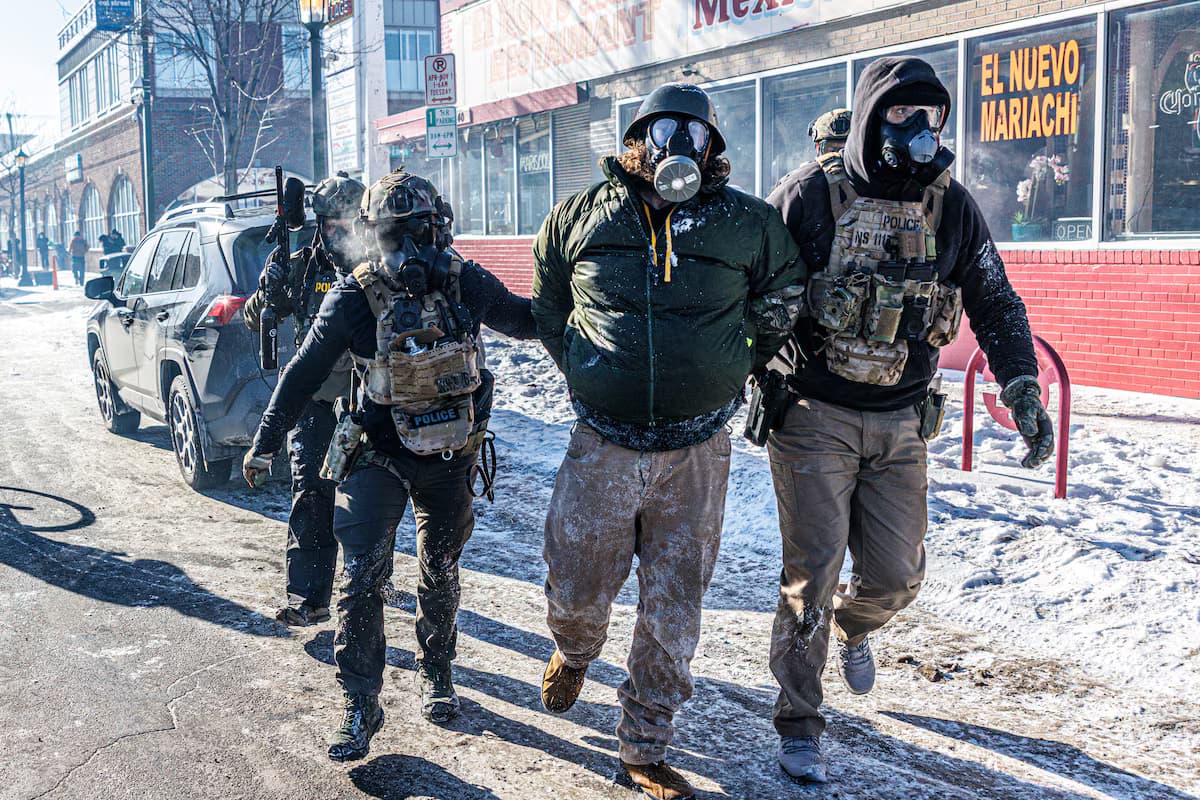
A video circulating from Minneapolis shows federal agents detaining a man who was later shot and killed, then an agent applauding after the shooting. The footage has reignited debate about use of force, official accounts and the risks to witnesses who say they fear reprisals.
The episode recalls an old cautionary tale from American literature: Sinclair Lewis’s 1935 novel It Can’t Happen Here. Lewis imagined a populist leader who created a state-backed paramilitary force that carried out arrests and executions with impunity. The novel’s thesis was plain: democracies are not immune to the routines of repression.
A century-old warning
Lewis was responding to the rise of authoritarian movements in Europe in the 1930s. His fictional 'Minute Men' began as a band of veterans and workers and evolved into a politicised force that spied on citizens, broke up protests and summarily punished perceived opponents. The novel emphasised how ordinary institutions and language can be repurposed to normalise violence.
Video, official accounts and competing narratives
In Minneapolis, multiple clips of the encounter have circulated online. In one recording a man identified as 37-year-old Alex Pretti approaches officers while filming an interaction and is soon pepper-sprayed, pinned to the ground, and shot after his firearm was removed. The footage then appears to show an agent clapping. Federal and White House statements released after the incident described the victims as threats to officers; independent videos and witness statements have challenged those accounts.
Officials framed the incidents as law-enforcement confrontations with dangerous individuals. Critics say the messaging echoes a familiar playbook, one that criminalises victims before an independent review can establish what happened. That posture shapes public perception quickly, and can affect whether investigations proceed, and how thoroughly.
Witnesses describe fear of reprisal
A witness who later spoke to reporters said she feared being targeted for simply having watched the shooting. She said, "I feel afraid. Only hours have passed since they shot a man right in front of me and I don't feel like I can go home because I heard agents were looking for me. I don't know what the agents will do when they find me." Her statement highlights how state power can chill civic participation and deter people from providing testimony.
What the pattern signals
Observers point to several worrying elements that recur in episodes like this: use of force against civilians filmed in public, rapid official claims that portray victims as threats, and limited transparency about internal investigations. Taken together, those elements can erode trust in institutions designed to protect rights and safety.
Legal and civil-liberties groups emphasise due process and independent oversight. Without timely, transparent investigations and clear accountability for officers who break the rules, accountability gaps widen. That dynamic is not unique to one place or one agency. When governments lean on language that frames critics or bystanders as agitators, the consequence is predictable: fewer people come forward, and civic safeguards weaken.
What to watch next
- Whether independent investigators gain full access to footage and witnesses
- How federal authorities document and justify use of lethal force
- Whether witnesses receive protection from intimidation or reprisals
- How public officials frame victims and what evidence they cite
The familiar caution from Lewis is not a prophecy about a single moment. It is a reminder that democratic norms require constant maintenance: transparent institutions, independent oversight and a public that can see and judge what happens. When a state justifies violence and simultaneously narrows the space for witnesses to speak, the erosion begins slowly and then accelerates. That pattern merits scrutiny and, where necessary, organised response from legal authorities, civil-society groups and civic leaders.
United StatesState ViolenceCivil LibertiesICESinclair Lewis