Home sales slip in December as 2025 ends tepidly; Vancouver developers favour low-rise buildings
CREA reports December sales and prices fell, ending a subdued 2025. Vancouver developers pivot to wood-frame low-rise projects. Plus: mortgage snapshot, retirees delaying downsizing, and a ski-chalet listing.

Copy link
By Torontoer Staff
Canadian home sales fell sharply in December, capping a subdued 2025 and leaving analysts cautious about the market's path in 2026. The Canadian Real Estate Association reported month-over-month and year-over-year declines in sales and a drop in the national price index.
At the same time, developers and homeowners are responding to shifting economics and demographics: some Vancouver builders are leaning into lower-rise wood construction, retirees are delaying planned downsizing to accommodate adult children, and designers are promoting at-home spa features that can add resale value.
Market trends: December decline, flat year for sales
CREA data released Thursday show national home sales fell 2.7 per cent on a seasonally adjusted basis from November, and were down 4.5 per cent in real terms compared with December 2024. For the full year, sales totalled 470,314 units, down 1.9 per cent from 2024. The national home price index slipped 4.0 per cent year over year to $673,400.
CREA senior economist Shaun Cathcart said the December drop was surprising after late-year signs of growth, but he cautioned that the month is volatile and the usual winter lull complicates near-term interpretation. He said it will take several months of data to determine whether 2026 brings a sustained rebound.
December tends to be a volatile month most years, so we need more data to tell where the market is headed.
Shaun Cathcart, CREA
Industry forecasters remain split on timing for a recovery. A Royal LePage forecast describes 2026 as a potential reset year in which lower interest rates and increased supply could draw buyers back. In Toronto, condo sales rose 5.7 per cent in December from November, reaching activity levels not seen since 2000, a small bright spot for sellers in that segment.
Density and design: Vancouver developers embrace lower-rise builds
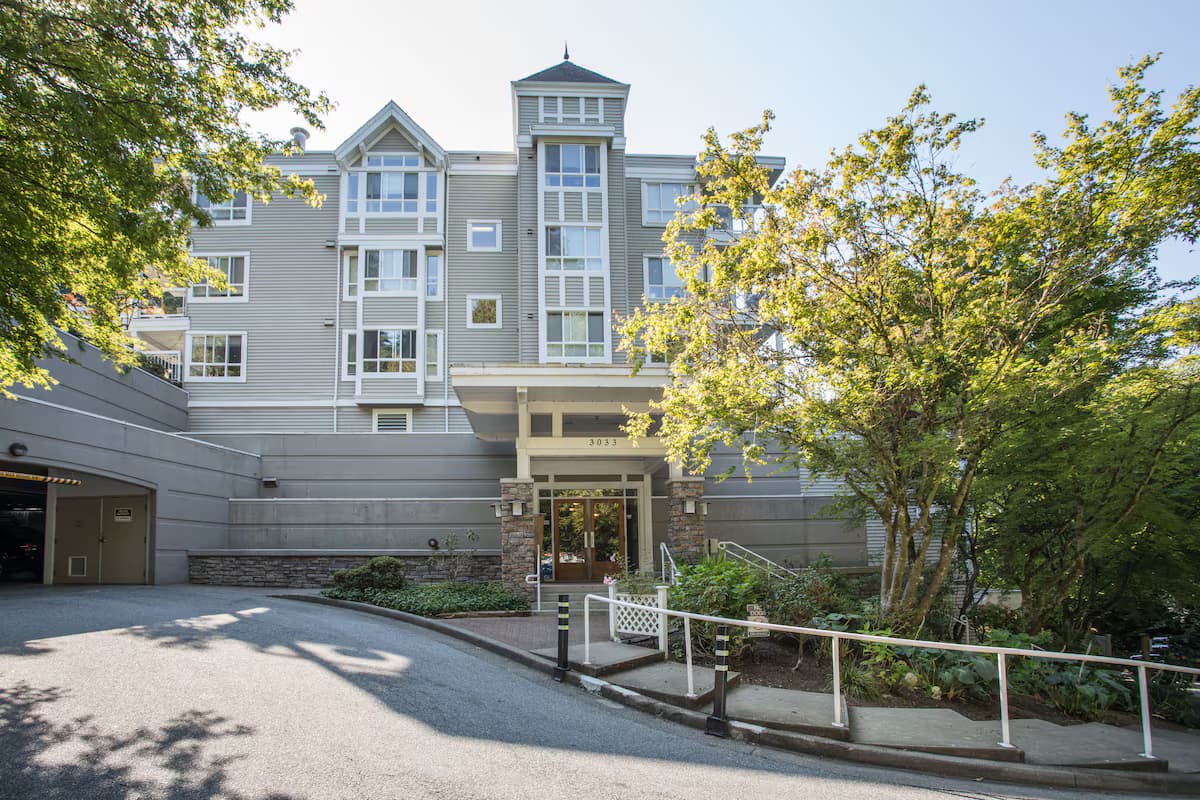
As proposals for large concrete towers proliferate along Broadway and other corridors, some Vancouver developers are shifting to wood-frame buildings of up to six storeys. The decision responds to construction costs, timelines and municipal policy that can make concrete towers more difficult to deliver quickly and profitably.
Strand Development chief executive Mike Mackay said lower-rise wood construction can be faster and less risky, and it often avoids rules that apply to certain concrete towers, including requirements that a portion of units be rented below market.
Building with wood allows us to get into income much faster and minimizes exposure to risk.
Mike Mackay, Strand Development
Municipal policies that require, in some towers, roughly 20 per cent of units to be offered below market have been a longstanding tool to supply affordable housing. Developers and policy makers now face a trade-off: the policy helps affordability but can slow or disincentivize construction of high-density towers that deliver more units overall.
Mortgage snapshot: lowest available rates as of Jan. 15
Mortgage rate offerings continue to vary across lenders and product types. Publications compiling market data listed the lowest available fixed and variable rates for insured and uninsured borrowers as of market close on Thursday, Jan. 15. Five-year fixed terms remained comparatively elevated, while some shorter-term and variable-rate products showed more competitive pricing.
Borrowers should compare lender quotes and watch for changes to posted rates, as small shifts in the Bank of Canada policy outlook can move mortgage pricing across the market.
Golden years: retirees delay downsizing to help adult children
High rents and unaffordable home prices are altering retirement plans for some Canadians. A 2025 Fidelity Investments survey found 17 per cent of retirees have allowed adult children to live with them rent-free or at reduced rent. That dynamic is prompting some homeowners to postpone selling and downsizing.
In Vancouver, Andy Doyle and Darcy Eaton have accommodated multiple adult children in their family home to help them save for down payments. The couple say modest household contributions cover expenses, but a planned sale has been delayed by a weaker neighbourhood market and the family arrangement.
A tonne of time with our kids. We’re very grateful for that.
Andy Doyle
Many retirees weigh the financial upside of selling against the value of multigenerational living and the uncertainty that young adults face in today’s housing and job markets.
Design corner: home spas add resale appeal
Homeowners and designers are increasingly fitting properties with spa-style bathrooms and dedicated wellness spaces. These features can enhance day-to-day comfort and contribute to perceived value on resale, especially in urban markets where private relaxation space is prized.
Home of the Week: ski chalet at the base of Blue Mountains
This week’s featured listing is a chalet at 146 National Drive in the Town of The Blue Mountains, Ontario. Bought furnished in 2011, the property became a full-time residence in 2020 after renovations that included a kitchen update and a fifth bedroom on the lower level.
- Douglas fir posts and beamed ceilings that create an après-ski ambience
- Lower-level ski-tuning room and an outdoor sauna with a glass wall
- Proximity to ski hill and private club, and easy access to cycling and hiking
The original feature included a reader quiz on asking price, with multiple-choice options ranging from $2,080,000 to $3,235,000. The chalet’s combination of location, finishes and turnkey condition make it a standout for buyers seeking a recreational or full-time country home.
What to watch next
Watch early 2026 sales and price data for signs of recovery, monitor lender pricing for mortgage-cost shifts, and follow municipal policy debates in Metro Vancouver where affordability goals intersect with development incentives. For homeowners, decisions about selling, renovating or converting space reflect both market signals and changing household needs.
As the year unfolds, a clearer signal should emerge about whether lower borrowing costs and increased inventory will draw sidelined buyers back or whether structural affordability challenges will continue to shape household choices.
housing marketCREAVancouvermortgage ratesdownsizingBlue Mountains