Private equity is buying bulk condo assignments as Toronto market stalls
Investment funds and family offices are buying preconstruction assignment contracts in bulk, betting on a multi-year recovery as resale and new condo prices slide.
Copy link
By Torontoer Staff
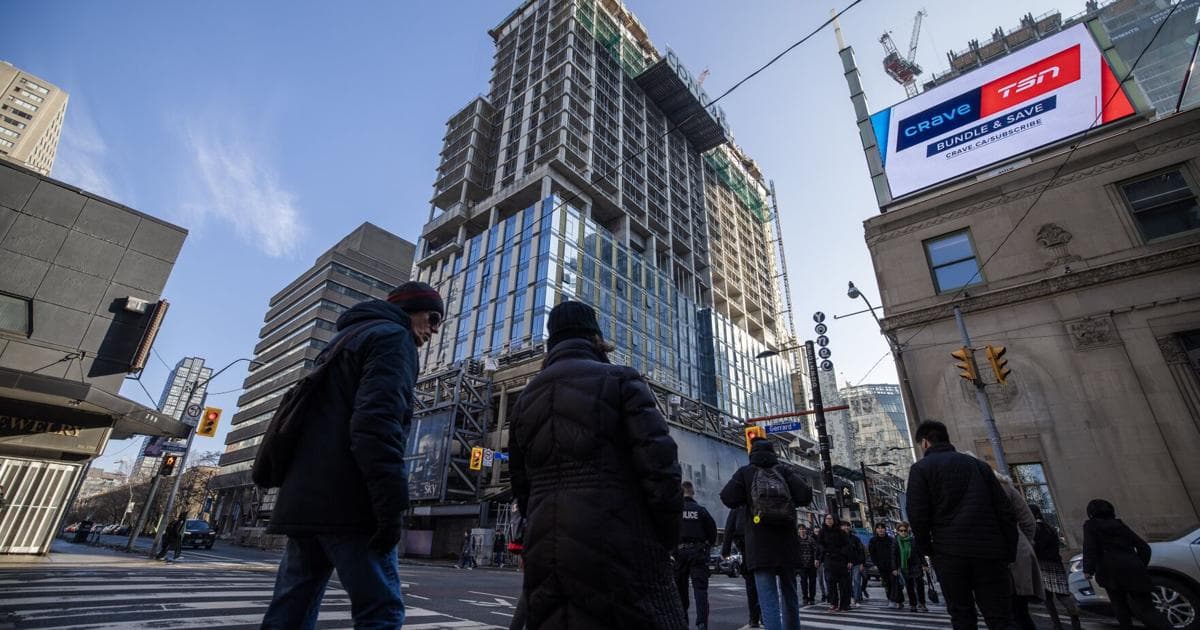
Private equity and other investor groups have started buying large numbers of preconstruction condo assignment contracts in the Greater Toronto Area, realtors say. The purchases suggest some investors believe the market is at or near a bottom and are positioning for a recovery over the next three to five years.
After years of speculative demand pushed preconstruction prices far above resale comparables, higher interest rates and falling values wiped out that model. Some original buyers are now willing to take steep losses or forfeit deposits, creating buying opportunities for institutional and informal investor groups.
What an assignment sale means
An assignment sale is a resale of a preconstruction purchase contract before the unit closes. Buyers sign contracts to purchase units that will be built, typically several years out, and must close and qualify for a mortgage when the building is complete. Assignment buyers step into that contract and assume the closing obligations and timeline.
Assignments were once a vehicle for quick profit, as buyers sold contracts at higher prices before buildings finished. When speculation drove preconstruction premiums up, some contracts traded hands repeatedly. The correction in rates and prices has left many assignment holders with contracts worth less than their deposits and interim payments.
Why funds are buying now
- Discounts: Some assignment contracts are being marketed at substantial losses compared with original purchase prices.
- Longer horizon: Funds are planning three-to-five-year exits, aiming to hold units until the market recovers.
- Rental income: Investors can rent units until they decide to sell, offsetting carrying costs.
- Scale and expertise: Institutional buyers can manage portfolios of units and absorb short-term weakness.
They’re buying them, they’re renting them out, they’re keeping them until 2030, 2031 and they’re flipping them.
Jonathan Zadegan, managing partner, Zadegan Group
Realtors report a mix of buyers: established equity funds, family offices and smaller informal groups that pool capital to buy dozens of contracts at once. Each buyer has a different thesis about timing and unit type, with some favouring larger suites and others targeting smaller units that are easier to rent.
Market backdrop and numbers
New-condo prices in the GTA peaked at about $1.18 million in February 2022, according to Altus Group data released by BILD. By December 2025 that average had fallen to roughly $1.02 million. Resale condo prices followed, with the Toronto Regional Real Estate Board reporting an average resale condo price just under $800,000 in February 2022 and about $630,000 in December 2025.
Demand for newly built homes plunged in 2025, the worst year on record for new-home sales in the 45-year data series, with roughly 5,300 new units sold across the region. Urbanation estimates that at the height of the market, preconstruction units were about 40 per cent more expensive than recently built resale units.
A lot of people are making the long bet. I do think if you’re buying today, you’re looking at a three-to-five-year horizon to make substantial money.
Harley Nakelsky, president and partner, Baker Real Estate Inc.
Tighter mortgage qualification rules, higher borrowing costs and broader economic uncertainty have kept many original buyers from closing. Some sellers are abandoning part or all of their deposits to transfer contracts to buyers willing to complete the purchase.
How deals are being structured
Because many assignment transactions happen off the Multiple Listing Service, comprehensive public data are limited. Realtors describe a range of structures:
- Large funds buying blocks of assignments and holding them as a rental portfolio until exit.
- Family offices acquiring smaller pools of units as a long-term bet.
- Mini-funds formed by small groups pooling capital to buy dozens of contracts.
- Buyers negotiating to accept forfeited deposits or steep price reductions to take on contracts.
Sellers vary in motivation. Some are desperate to avoid closing under current mortgage rules. Others prefer to accept a known loss rather than risk further declines.
Outlook for the market
Analysts and brokers caution that buying activity by funds does not mean the market has recovered. Interest rates, employment trends and broader economic factors will determine timing. For now, the increase in institutional buying is a sign some market participants expect prices to stabilise or improve over the medium term.
There’s interest, but developers can’t sell them. We’re seeing some funds step in, which suggests we may be closer to the bottom than before, but the market is not back yet.
Pauline Lierman, vice-president of market research, Zonda Urban
For buyers and sellers in the assignment market, timing and risk tolerance matter. Investors with balance-sheet strength and a multi-year horizon see opportunities. Original buyers facing tightening mortgage rules and weaker resale comparables may prefer to sell assignments even at a loss.
The uptick in institutional and pooled buying will be one indicator to watch as the market seeks a new equilibrium between supply, pricing and demand.
condo marketpreconstructioninvestment fundsToronto real estateassignments